
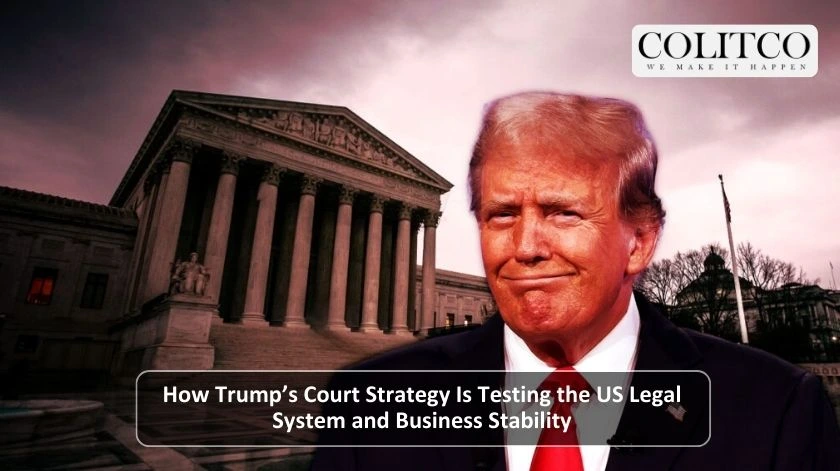
Donald Trump has targeted the judiciary with unprecedented intensity since taking office for his second term. The President has attacked what he calls “radical left judges” and faces accusations of ignoring court orders. This pattern raises questions about how Trump sidelines courts and the broader implications for institutional stability in the United States.

Figure 1: The exterior of the US Supreme Court building. [Wikipedia]
In democratic systems, courts serve as a vital check on executive power. They can overturn laws and executive orders that leaders rely on to achieve policy goals. The Supreme Court has already handed the Trump administration key wins in his second term. Several cases now before the court will determine how much power Trump can accumulate and what he can do with it.
How Trump Sidelines Courts Through Institutional Pressure
Trump’s approach to the judiciary follows patterns seen in other nations where leaders sought to weaken judicial independence. The President publicly criticises judges who rule against his administration. These attacks aim to delegitimise unfavourable court decisions and pressure the judiciary.
The strategy mirrors tactics used by leaders in other countries to sideline courts. Public attacks on judges create political pressure that can influence future rulings. This pattern represents a significant shift in how US presidents traditionally interact with the judicial branch. Understanding how Trump sidelines courts requires examining these institutional pressures and their long-term consequences.
Trump’s National Security Strategy Reveals Governance Approach
Trump’s national security strategy landed with stark reactions across Europe and different responses in Beijing and Moscow. The 33-page document pushes commercial ties and strategic stability with Russia. It represents a dramatic departure from traditional US foreign policy approaches.
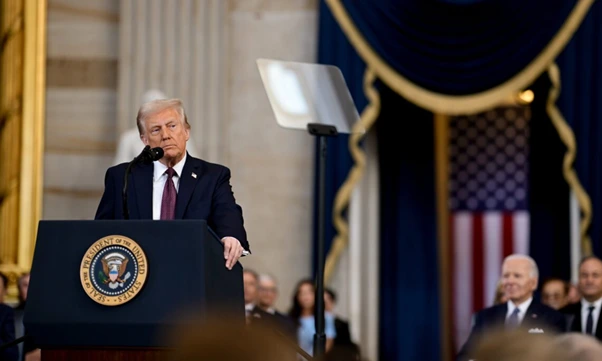
Figure 2: A US president delivering remarks at an official event. [Usembassy]
The strategy contains limited references to China as merely an economic competitor. This abandons Trump’s 2017 strategy, which called both Russia and China “revisionist powers” seeking to weaken US influence. The new approach centres commercial arrangements over democratic values. The impact of Trump policies on business extends beyond domestic courts to international relationships and trade stability.
US Legal System Under Trump Faces Unprecedented Challenges
The US legal system under Trump operates in an environment of heightened political tension. Executive orders proliferate while court challenges multiply. The administration’s willingness to criticise judges who rule against it creates uncertainty about enforcement.
Several Supreme Court cases will prove pivotal in determining executive power limits. These cases address fundamental questions about presidential authority and judicial oversight. The outcomes will shape governance for years to come. Business leaders monitor these developments closely because legal predictability matters for investment decisions.
Impact Of Trump Policies On Business Through Institutional Uncertainty
The impact of Trump policies on business manifests through institutional uncertainty rather than direct intervention. Companies rely on stable legal frameworks for long-term planning. When courts face pressure and executive orders proliferate, predictability declines.

Figure 3: An illustrative graphic showing global downward trends. [Freepik]
Institutional instability raises governance risk that affects business confidence. Investors value environments where laws apply consistently, and courts operate independently. Questions about judicial independence can reduce foreign investment and complicate domestic business planning. This represents a subtle but significant way how Trump sidelines courts impacts the broader economy.
Business Community Monitors Institutional Stability Concerns
Business leaders value predictable legal environments for investment decisions and long-term planning. The commercial community monitors how Trump sidelines courts because judicial independence affects contract enforcement and regulatory clarity. Institutional stability matters for capital allocation and risk assessment.

Figure 4: A conceptual image representing investment decision-making and financial risk. [Freepik]
Governance risk from institutional pressure on courts can reduce business confidence over time. Companies operating internationally compare the US legal system under Trump with other jurisdictions for stability assessments. Any erosion of judicial independence creates uncertainty that factors into business decisions. The impact of Trump policies on business includes these institutional considerations alongside specific regulatory changes.
Looking Ahead At Governance And Legal System Evolution
Several Supreme Court cases will prove decisive in determining how much power Trump can accumulate. These cases address fundamental questions about executive authority, judicial oversight and institutional balance. The outcomes will shape the US legal system under Trump for years to come.
Business stability depends on maintaining institutional checks on executive power. Courts serve as essential arbiters in disputes between the government and the private sector. The impact of Trump policies on business will ultimately depend on whether judicial independence survives current pressures. Understanding how Trump sidelines courts helps business leaders prepare for potential governance shifts.
FAQs
Q1. How does Trump’s approach to courts differ from that of previous presidents?
Ans. Trump publicly attacks judges who rule against his administration and faces accusations of evading court orders. This represents a significant departure from traditional presidential respect for judicial independence.
Q2. What does the national security strategy reveal about Trump’s governance approach?
Ans. The 33-page document prioritises commercial ties and accommodates authoritarian leaders while criticising traditional allies. It represents a dramatic shift from democratic values emphasis on transactional relationships.
Q3. How does institutional instability affect business operations?
Ans. Companies rely on stable legal frameworks for long-term planning. When courts face pressure and executive orders proliferate, predictability declines, and governance risk increases for investment decisions.
Q4. What role does the Supreme Court play in limiting executive power?
Ans. Several Supreme Court cases will determine how much authority Trump can accumulate. The court serves as a vital check on presidential power in democratic systems.