
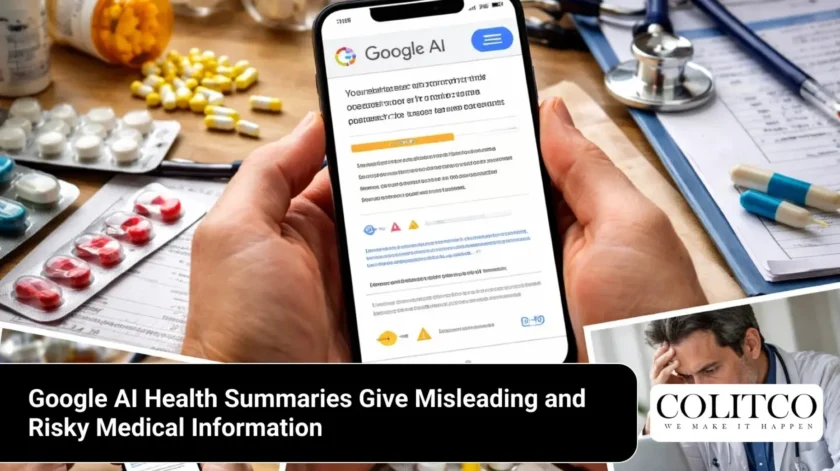
Google’s artificial intelligence tool is putting users at risk with misleading medical information. A recent investigation exposes how AI health summaries can mislead patients seeking critical healthcare guidance. The tech giant’s AI Overviews feature serves inaccurate health advice at the top of search results. This raises serious questions about the danger of trusting AI for medical advice without professional consultation.
Figure 1: A visual representation of Google’s artificial intelligence technology and data processing systems. [Wisedigitalpartners]
The findings reveal multiple instances where Google’s generative AI provided harmful recommendations. Health experts describe some examples as “really dangerous” and “alarming”. The investigation comes amid growing concerns about Google AI health tools across multiple platforms. Users searching for vital health information receive misleading summaries that could jeopardise their wellbeing.
How Google AI Overviews Deliver Dangerous Health Advice
Google AI Overviews wrongly advised pancreatic cancer patients to avoid high-fat foods. This recommendation is the exact opposite of what medical experts prescribe. Anna Jewell from Pancreatic Cancer UK called the advice “completely incorrect” and potentially life-threatening.
Following such guidance could prevent patients from gaining sufficient weight for treatment. Chemotherapy and life-saving surgery require patients to maintain adequate nutrition. The danger of trusting AI for medical advice becomes clear when incorrect information threatens survival chances. This example demonstrates how AI health summaries can mislead vulnerable patients during critical moments.
Liver Test Results Show Alarming Information Gaps
Google’s AI summary for liver blood tests delivered masses of numbers without proper context. The information failed to account for nationality, sex, ethnicity or age variations. Pamela Healy from the British Liver Trust described these summaries as “alarming” and “dangerous”.
Many liver disease patients show no symptoms until late stages. Accurate testing becomes crucial for early detection and treatment. The AI’s misleading normal ranges could convince seriously ill patients they are healthy. Google AI health tool accuracy concerns escalate when patients skip follow-up appointments based on false reassurance. People relying on how AI health summaries can mislead face serious health consequences.
Women’s Cancer Tests Generate Completely Wrong Information
A search for vaginal cancer symptoms and tests listed a Pap test incorrectly. Athena Lamnisos from the Eve Appeal charity confirmed pap tests do not detect vaginal cancer. This “completely wrong information” could lead women to ignore genuine symptoms after clear screening results.

Figure 2: A person using an AI-powered digital interface to analyse information on a laptop. [Freepik]
The AI summary changed when researchers repeated the exact same search. Different responses were pulled from different sources at various times. Lamnisos expressed extreme concern about how AI health summaries can mislead women facing potential cancer symptoms. The inconsistency adds another layer to Google AI health tool accuracy concerns regarding women’s healthcare.
Mental Health Advice Reflects Dangerous Biases And Gaps
Google AI Overviews delivered misleading results for mental health condition searches. Stephen Buckley from Mind charity described some advice as “very dangerous” and “incorrect”. The summaries for psychosis and eating disorders could lead people to avoid seeking help.
AI-generated mental health content often reflects existing biases and stigmatising narratives. Important context and nuance disappear in automated summaries. The danger of trusting AI for medical advice extends beyond physical health into psychological well-being. Inappropriate site suggestions compound the risk for vulnerable individuals searching for mental health support.
Company Response Highlights Quality Investment Claims
Google maintains that the vast majority of its AI Overviews provide accurate and helpful information. The Company spokesperson noted many examples shared were “incomplete screenshots”. They claimed summaries linked to well-known, reputable sources and recommended expert advice.

Figure 3: Illustrative icons representing online health information and digital medical services. [Google Blog]
The tech giant said its accuracy rate matches other search features like featured snippets. Google invests significantly in quality for health-related AI Overviews. When AI misinterprets web content or misses context, the Company takes action under its policies. However, critics argue that reactive measures fail to prevent initial harm from how AI health summaries can mislead.
Broader Pattern Of AI Misinformation Emerges Across Sectors
The investigation follows similar concerns about AI accuracy across multiple domains. A November 2025 study found AI chatbots gave inaccurate financial advice across various platforms. AI summaries of news stories face comparable criticism for misleading information.
Sophie Randall from the Patient Information Forum said the examples show real health risks. Google AI health tool accuracy concerns mirror broader problems with generative AI reliability. The technology’s tendency to present false information confidently creates particular dangers in healthcare contexts. Understanding how AI health summaries can mislead requires examining patterns across industries.
Industry Experts Demand Better Safeguards For Vulnerable Users
Health groups and charities call for stronger protections against AI misinformation. Stephanie Parker from Marie Curie highlighted how people turn to internet searches during crises. Inaccurate or out-of-context information can seriously harm health outcomes during vulnerable moments.
Figure 4: A conceptual visual depicting artificial intelligence and automated information systems. [Reuters]
The danger of trusting AI for medical advice requires urgent attention from technology companies. Experts emphasise that evidence-based health information must take priority over automated summaries. The investigation demonstrates how AI health summaries can mislead even when sources appear reputable. Patient advocacy organisations continue monitoring Google AI health tool accuracy concerns closely.
Also read: Inner-City Melbourne Crime Raises Alarm After Fatal Fitzroy Shooting
What This Investigation Means For Healthcare Information Seekers
Users must approach AI-generated health summaries with extreme caution. The investigation reveals systematic problems with Google AI health tool accuracy concerns. Medical decisions require consultation with qualified healthcare professionals rather than automated summaries.

Figure 5: A medical professional interacting with a digital healthcare interface in a clinical environment. [Freepik]
The danger of trusting AI for medical advice manifests in multiple ways across conditions. From cancer treatment to liver disease to mental health, AI summaries fail vulnerable populations. Users should verify any health information through established medical channels before taking action. The findings highlight how AI health summaries can mislead across diverse medical conditions.
FAQs
Q1. What makes Google’s AI health summaries dangerous for users?
Ans. Google AI Overviews provide inaccurate medical information at the top of search results.
Q2. How did the investigation discover these medical accuracy problems?
Ans. Health groups, charities and professionals raised concerns after finding multiple instances of misleading information.
Q3. Why are pancreatic cancer patients particularly at risk?
Ans. Google AI wrongly advised pancreatic cancer patients to avoid high-fat foods. This is the opposite of correct medical guidance and could prevent patients from gaining the necessary weight for treatment.
Q4. Does Google acknowledge these health information accuracy problems?
Ans. Google maintains that most AI Overviews are accurate and helpful. The Company says it invests significantly in quality and takes action when issues arise with its health information summaries.


