

International health experts are making loud alerts regarding the way online weight loss programs are marketed to people in vulnerable situations. Advocacy groups have been warning that virtual weight loss services are indirectly prescribing the use of drugs for medical treatment without proper measures in place.
Some telehealth weight loss providers are said to be taking advantage of social media to lure customers. Critics have pointed out that the very aggressive online marketing could reach those who need GLP-1 treatments, but not for medical reasons.
The Australia and New Zealand Academy for Eating Disorders were among the first to express serious concern about these trends. They further stated that minimal medical supervision could cause at-risk individuals to suffer from worse conditions.
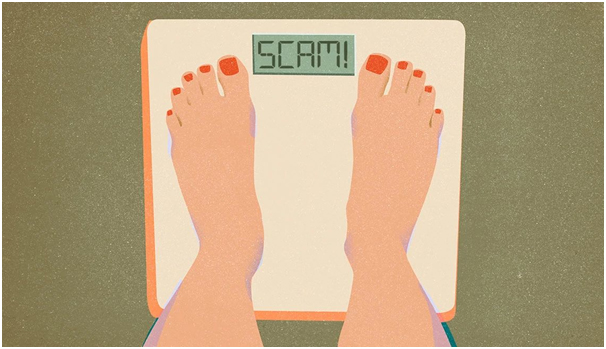
Experts warn that online weight loss programs target vulnerable individuals.
Why Are Eating Disorder Groups Worried?
The bodies concerned with eating disorders say that the promotion of telehealth weight loss prescriptions may be drawing in those who are emotionally most vulnerable. The reports indicate that some individuals who have messed up their eating habits are feeling even worse because they see the constant promotion of these services.
A young lady spoke about feeling “bombarded” with online advertising that is similar to that of Black Friday. The critics put these methods in the same category as the marketing of commercial products rather than health services. They argue that this would lead to the medicalisation of treatments for those who actually do not require them.
What Are Telehealth Providers Saying In Response?
On the other hand, telehealth weight loss companies refute that there is any illegal activity on their part and assert the validity of their clinical evaluations. One of the prescribers pointed out that all patients go through a series of questionnaires and consultations before getting prescriptions.
They insist that the decision to prescribe is always based on clinical evaluations and not on marketing tactics. The companies also mentioned that the online promotions are related to the availability of the service and not the pricing of the specific drug. They pledged to enhance their internal processes upon receiving criticism.

Telehealth weight loss companies deny illegal activity, citing thorough evaluations.
Telehealth Models Expand Rapidly
Virtual weight loss services from abroad have entered different countries, among which are Australia, the UK, and Japan. One of these companies, for example, achieved a revenue of $248 million last year, which is a significant increase.
Nevertheless, the company suffered a net loss of $25 million, mostly because of the marketing spending that rose to $86.1 million. The magnitude of these numbers indicates the rapid growth of the telehealth weight loss market.
Telehealth Programs And Medical Oversight
According to the experts, telehealth weight loss should be under strict medical supervision. Critics say that in-person reviews are necessary, otherwise important factors like eating disorders might be missed. They recommend that the evaluation be done in person before medications are prescribed.
On the other hand, telehealth providers assert that they conduct careful screening of clients and adhere to stringent clinical protocols. The whole argument is about whether or not remote services are capable of managing and treating complicated medical cases safely and on a large scale.
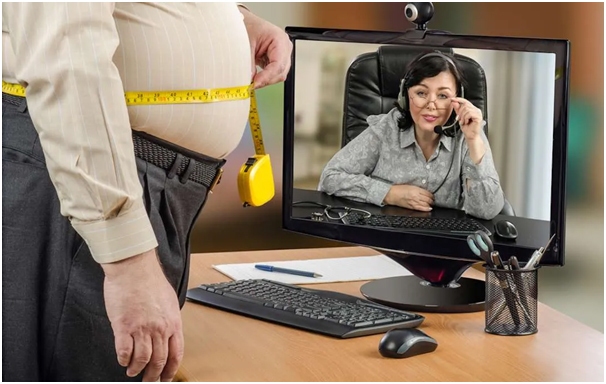
Experts insist telehealth weight loss requires strict in-person supervision.
Regulatory Challenges In A Virtual World
In Australia, the law for medicines prohibits the direct advertisement of prescription medications; nevertheless, health services can be promoted by companies. The regulators state that this difference makes the enforcement more difficult.
Some advocates demand that there should be clearer rules that would ensure the protection of vulnerable groups. They insist that strong safeguards should be imposed globally because of the international reach of the online weight loss platforms. Furthermore, the governments are encouraged to revise the regulatory frameworks for virtual care models.
Also Read: House Passes Narrow Health Care Package as Obamacare Subsidies Near Expiration
FAQs
Q1: What are online weight loss programs?
A1: Online weight loss programs are virtual health services that provide medical guidance, support and prescriptions through digital platforms.
Q2: Are telehealth weight loss services safe?
A2: Telehealth programs can be safe when there is strict medical oversight, but experts worry about the minimal screening of vulnerable individuals.
Q3: Can telehealth prescribe weight loss medications?
A3: Yes, telehealth providers can prescribe weight-loss medication after clinical consultation, but advertising strictness varies by region.
Q4: Why are virtual weight loss services controversial?
A4: They are controversial because of concerns about aggressive marketing, insufficient medical monitoring, and potential impacts on vulnerable people.


