
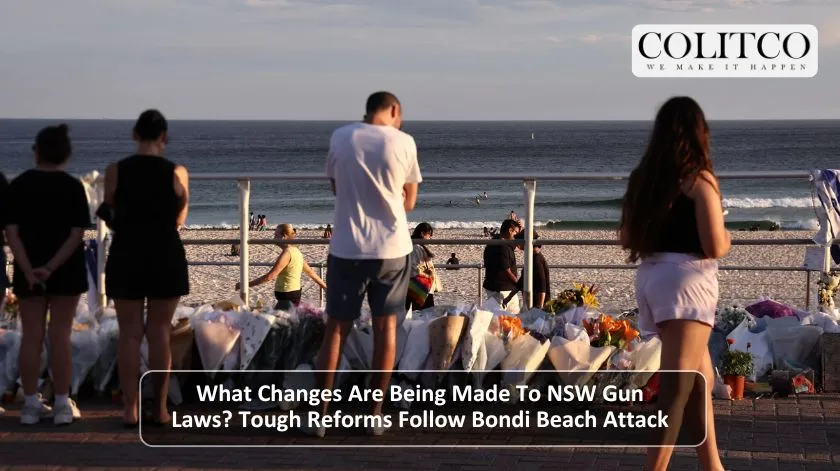
New South Wales, after a fatal terrorist incident at Bondi Beach, announced significant transformations to the gun laws. The shooting that took place on a Hanukkah festivity caused 15 deaths and many injuries. The authorities first characterised the gunfire as terrorism, which in turn triggered immediate political and legislative reactions.
The government of New South Wales admitted that the current laws for gun ownership were powerless to stop the bloodshed. According to the officials, the reform could not be postponed if people’s safety and trust were to be restored. The disaster reopened the national discussion on the gun issue and the links between it and radical violence.
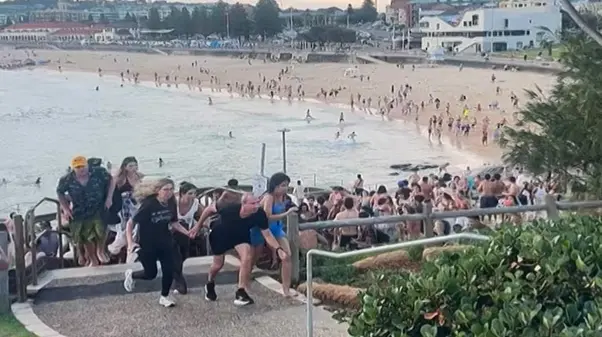
Bondi Beach attack prompts major NSW gun law reforms.
How Will Firearm Ownership Be Restricted Under New Laws?
The new law imposes stringent limits on the number of firearms one can possess throughout the state. Those who hold gun licenses for leisure purposes will have only four guns. The same policy will apply to farmers, pest controllers, and professional shooters, but they will be allowed to possess ten guns each. In the past, the number of firearms was determined through individual assessment without any defined limit.
The government declared that the lack of limits set an unacceptable risk. The licensing process will shift to a stricter one with shorter license periods and more thorough background checks. The police will have more rights to reject or revoke licenses based on public safety issues.
The number of appeals against gun-related decisions will be restricted, thereby reducing the legal routes to contest rejections will be fewer. It is these reforms that aim at blocking high-risk individuals from having access to weapons.
Why Are Protest Bans Included In The New NSW Laws?
The package of the reform also comes with the introduction of temporary protest bans following incidents of terrorism. The police will have the power to limit public demonstrations in the areas that are set aside for this purpose. These bans might be in effect for a maximum of 14 days, but can be prolonged for a period of 3 months.
The authorities maintain that these powers will help to curb the unrest during the times when the tension is at its highest. The officials assert that the measures are for the sake of the safety of the communities and emergency services. Detractors of the government argue that the changes will at least restrict the exercise of democratic rights and public dissent.
The provisions are at the centre of the NSW protest bans after the Bondi Beach shooting, a case that has led to a strong political and civil debate across the country.
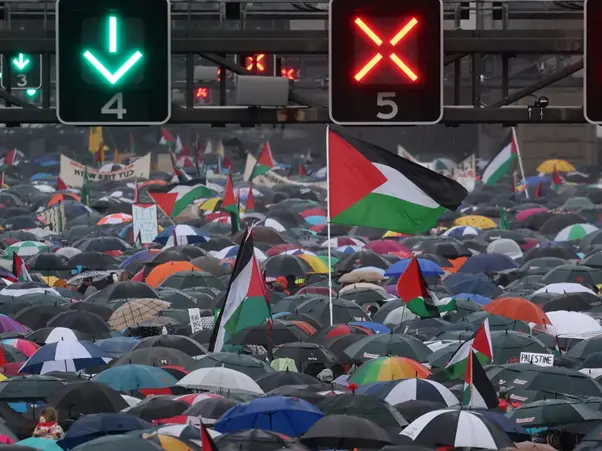
NSW introduces temporary protest bans after terrorism incidents.
What Are The Broader NSW Legislative Changes Following the Terror Attack?
Besides the firearms and the protests, the law also goes after the extremist symbols and the hate speech. The public display of terrorist flags and the chanting associated with violence are going to be prohibited. The offences connected with that may be subject to penalties that are going to be imposed in the form of fines and imprisonment.
The police, meanwhile, will get the power to ask for the face coverings to be removed during the protests. The enforcement of such powers is going to be possible only in case the officers have a suspicion that the offences are about to take place. The authorities maintain that the steps that have been taken are aimed at preventing intimidation and the violent escalation of the situation.
However, the civil liberties groups have raised concerns related to the extent of the enforcement powers that are being granted. They think that clearer limits and the presence of oversight mechanisms are required to safeguard the lawful expression.
Has The NSW Gun And Protest Bill Been Passed?
The legislation was approved by the Parliament of New South Wales with the support of all parties. While some legislators had their concerns, especially the ones related to the impact of the new laws on the rights of legitimate gun owners, particularly in the rural areas, the government had the votes to push through the reforms anyway.
A gun buyback program covering the whole state has also been revealed. Officially, it was said to be the largest since the national gun control reforms of 1996. The program is aimed at having fewer firearms in the country and at taking the high-risk ones out of circulation.
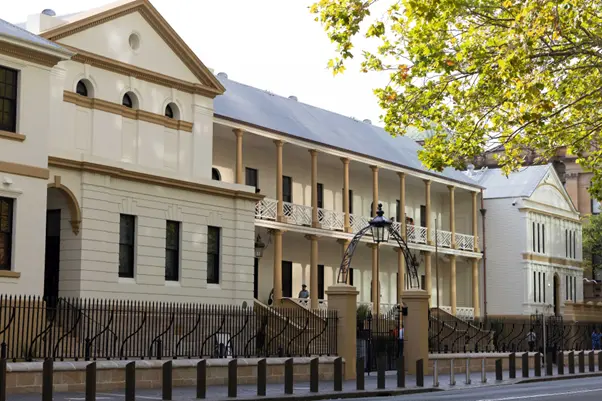
NSW Parliament passes gun law reforms despite rural concerns.
What Public Reaction Has Followed The NSW Reforms?
The situation of public opinion is still not clear all over Australia. The tragedy at Bondi has led to the demand of some of the public for stricter controls on guns. On the other side, some people are afraid that the new restrictions on protests could become a dangerous precedent.
The legal professionals and the advocacy groups continue to ask for the review mechanisms. The government claims that the reforms are a good compromise between the right to live in safety and civil rights. The debate will probably last for some time since the laws will be enforced.
Also Read: Why Did The Prime Minister Face Boos One Week After The Bondi Attack?
Frequently Asked Questions
- What changes are being made to NSW gun laws?
New South Wales will limit the number of firearms that a person can own, make licensing procedures stricter, and give more power to the police.
- Why were protest bans introduced in NSW?
The bans on protests have the goal of avoiding protests that might disturb the peace after terrorist incidents and ensuring public safety.
- Do the reforms affect extremist symbols?
The answer is yes; the public display of the symbols of terrorism and the use of violent chants will be banned.
- Are the NSW gun law changes now in effect?
The answer is yes; the legislation has been passed by Parliament and is now being implemented across the state.


