
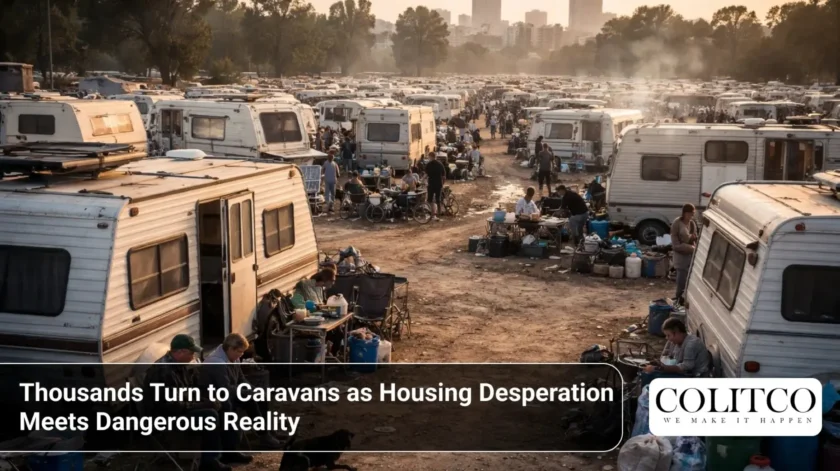
Australians forced into caravan living by the relentless housing crisis are walking a tightrope between shelter and serious safety risks. Police and fire authorities are now issuing urgent warnings as the number of people calling mobile homes their permanent residence surges past the breaking point.
The grim numbers tell a confronting story. More than 58,000 Australians were living in caravans, cabins, or houseboats according to the 2021 Census. With rental vacancy rates at record lows and house prices consuming 50% of income for new mortgage holders, that figure has almost certainly climbed higher.
Fire Authorities Sound Alarm on Deadly Risks
Fire and Rescue NSW responded to 42 caravan fires in just the first half of 2025. That’s nearly one every four days. Each blaze carries potentially fatal consequences in the confined spaces of mobile homes.
Queensland Fire Department’s Executive Manager Fire Safety, Superintendent Mark Halverson, delivered a stark message: people may have only seconds to escape a burning caravan.
“If people are using any type of heater and it’s in close proximity to anything that will burn bedding, clothes, lounges, then the risk is there,” he said.
The lightweight, highly combustible materials used in modern caravans mean fires accelerate frighteningly fast. Limited escape routes compound the danger.
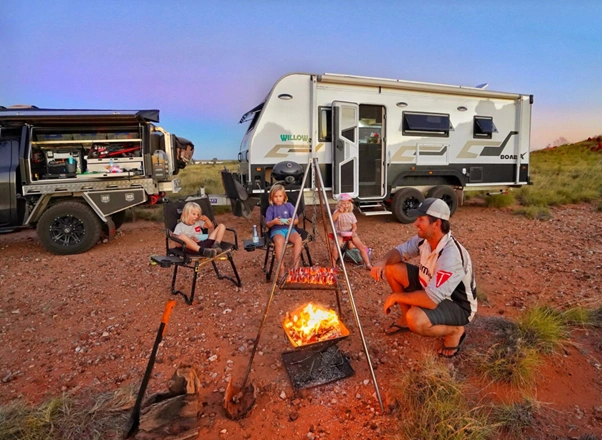
Caravan Holiday Makers in Australia
Smoke Alarm Laws Tighten Across States
Queensland is leading the charge on caravan fire safety. From July 2024, all newly registered or transferred caravans must have photoelectric smoke alarms installed. By January 2027, this requirement extends to all registered caravans and motorhomes in the state.
New South Wales already mandates smoke alarms in all moveable dwellings used for sleeping, regardless of location. Victoria follows similar rules for residents staying in caravans for more than 60 days.
Key requirements include:
- Photoelectric alarms complying with Australian Standard AS 3786-2014
- Installation on ceilings near sleeping areas
- 10-year non-removable batteries or hard-wired connections
- Integrated ‘hush’ buttons to prevent false alarms
Non-compliance carries penalties up to $774 in Queensland and $550 in New South Wales.
Housing Crisis Drives Unprecedented Migration to Mobile Living
Australia faces a housing system under immense pressure. The National Housing Supply and Affordability Council’s 2025 report confirms the nation will fall 375,000 homes short of building targets by mid-2029.
Households with new mortgages now spend 50% of their income on housing. Renters dedicate 33% of household income to rent. The time required to save for a home deposit has blown out past 10 years.
This financial squeeze is pushing unprecedented numbers into caravans. In 2023 alone, Australians took a record 15.3 million domestic caravan and camping trips. Many of those trips never ended.
Dr Rodney W. Caldicott, an international research scholar at Khon Kaen University, noted the shift: “With the rise of housing prices, people are giving up on the dream of ever buying a house. Some are choosing to spend their savings on taking time off and travelling, investing in a van or caravan to do so.”
Councils Struggle to Respond Compassionately
Local government responses vary wildly across Australia. Lockyer Valley Regional Council, 90km west of Brisbane, recently bucked the trend by allowing people to live in caravans on family or friends’ properties for up to six months within a 12-month period without council approval.
Other councils are tightening restrictions. The Yarra Ranges in Victoria recently forced residents to leave despite housing crisis desperation.
Most councils maintain local laws prohibiting overnight sleeping in vehicles. These restrictions were drafted before the current crisis intensified.
Theft and Security Concerns Mount
Beyond fire risks, caravan theft is surging. Victoria Police report frequent targeting of high-value caravans, with vehicles worth tens of thousands disappearing from driveways.
Dave Finn, a vehicle security expert from Port Stephens, explained: “The value of caravans is high. Many motorhomes are left unlocked or secured with inadequate locks.”
With housing need potentially driving some theft, experts recommend:
- Quality wheel clamps and hitch locks
- GPS tracking devices
- Secure parking in well-lit areas
- Comprehensive insurance coverage
Overweight Caravans Creating Road Hazards
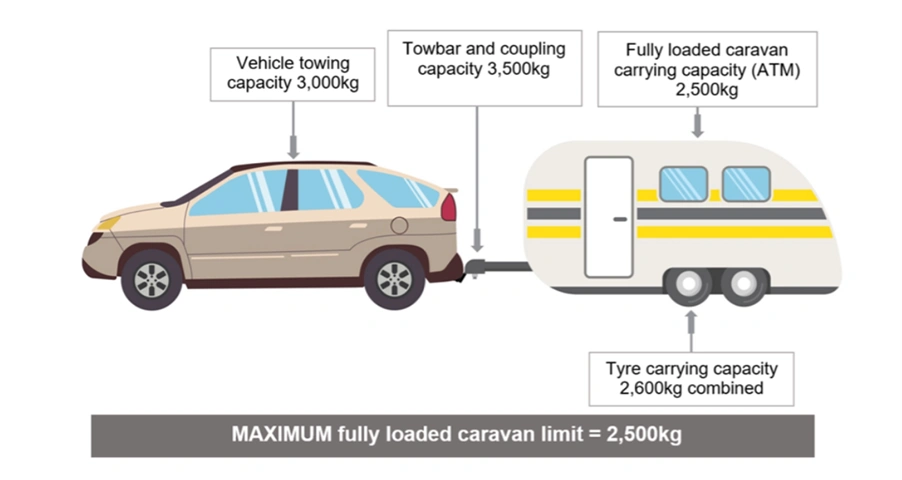
Police are cracking down on another dangerous trend: overweight caravans. Queensland data reveals nearly 90% of vehicles towing caravans last year exceeded weight limits.
Senior Constable Aleda Day from Queensland Police warned: “Cornering and braking performance of vehicles are affected when towing. You have a legal responsibility to ensure the towing vehicle, trailer and its load meet all legal and safety requirements.”
Penalties include fines up to $287 and three demerit points.
Caravan Park Crisis Compounds Vulnerability
Seniors face particular risks. Pat Blackwood from Dicky Beach Holiday Park in Queensland discovered this harsh reality when the park’s management changed operations.
“Many residents invested not only our savings but our hearts into our homes caravans with hard annexes that represent security, community and dignity for people who would otherwise struggle to afford housing,” she told Sunshine Coast News.
Over 130 residents faced eviction in Clarence Valley, New South Wales. In Western Australia, 83-year-old Kevin Logan was forced from Drummond Cove Holiday Park despite paying $230,000 for his cabin.
Terry Hintchcliffe from the Park Home Owners Association noted: “The average age of people in that situation would probably be around 80. They’re not in a position where you can suddenly say, ‘Alright, here’s a new part of my life coming on.'”
Lithium-Ion Battery Dangers
Modern technology brings modern risks. Superintendent Halverson highlighted the particular danger of lithium-ion batteries.
“Lithium ion batteries are very prone to re-ignition, and that re-ignition can be minutes, hours or even days later,” he said.
In March 2025, a new $175,000 caravan in South Australia was destroyed after lithium-ion batteries caught fire. The occupants escaped only because they spotted smoke early.
Safety recommendations include:
- Allow batteries to cool before charging
- Charge devices in well-ventilated areas
- Never charge unattended
- Remove devices immediately after charging
- Dispose of batteries showing any signs of damage
Evacuation Planning Could Save Lives
Fire authorities stress the critical importance of evacuation plans. Superintendent Halverson explained: “People do need to consider if there’s anything that would be a hindrance to their evacuation, especially at night time when they’re in bed asleep. Leave your pathways clear.”
Essential evacuation planning includes:
- Identifying all escape routes
- Practicing door unlocking in darkness
- Keeping exits clear of obstructions
- Considering mobility limitations of all occupants
- Installing escape windows and hatches
What Authorities Recommend
Victoria Police provide comprehensive caravan safety guidelines:
- Lock all doors and windows, even when nearby
- Mark valuable items with unique personal codes
- Take photos of possessions for insurance
- Remove valuables when leaving campsite
- Never confront potential thieves
Fire authorities add:
- Install photoelectric smoke alarms immediately
- Keep fire extinguishers and blankets near exits
- Turn off gas cylinders while towing
- Test safety switches before each trip
- Create and practice fire escape plans
Systemic Solutions Remain Elusive
Kate Colvin, CEO of Homelessness Australia, described the situation bluntly: “There is a huge increase in people missing the support they need. People may be couch surfing, or have some kind of roof over their head, but they’re not able to stay in that unsafe environment.”
Each day, 77,500 clients are supported by 1,800 specialist homelessness service agencies across Australia. At least 290 people seek assistance for the first time daily.
Julie Jasprizza-Laus from Mission Australia explained the impossible choices: “We have to try to have the most humane conversation possible. Because often they’ve exhausted those family or friendship pathways.”
The Australian Institute of Health and Welfare reports 19,000 more people went unassisted in 2024-2025, likely due to lack of available shelter or resources.
Policy Vacuum Leaves Vulnerable Exposed
Australia’s lack of coordinated temporary housing policy leaves caravan residents in regulatory limbo. Most council laws prohibiting vehicle sleeping were drafted before the current crisis.
Dr Timothy Heffernan from HowWeSurvive UNSW Sydney warned: “When you have 6.5 million homes at risk from bushfires, floods or coastal erosion, and a housing system that can’t meet existing demand, every disaster becomes a humanitarian crisis.”
With climate disasters creating additional displacement, the pressure on alternative housing will only intensify.
Also Read: Josh Frydenberg Demands Albanese Accept Responsibility After Bondi Massacre Claims 15 Lives
What Comes Next
The convergence of housing crisis, safety risks, and regulatory uncertainty creates a perfect storm for vulnerable Australians. Without coordinated policy responses, thousands will continue navigating dangerous compromises between shelter and safety.
For now, authorities urge anyone living in caravans to prioritize basic safety measures while policymakers grapple with systemic solutions.
As Australia enters the summer camping season, the warnings take on additional urgency. What was once a holiday lifestyle choice has become a housing necessity fraught with potentially deadly risks.
The question remains: how many more fires, thefts, and tragedies will it take before comprehensive protections match the scale of the crisis?


