
The Australian Federal Police has launched an urgent appeal to the public, releasing nine censored images extracted from child abuse material in an attempt to identify victims and locate offenders. The images show ordinary household items that could hold the key to solving cold cases.
Released on 13 December 2024, the fourth batch of “Stop Child Abuse – Trace an Object” images includes framed football jerseys, tropical flowers on bedspreads, and distinctive home interiors. Each image carries an Australian connection through victim, location or perpetrator.
Detective Sergeant Lana Carey, who leads the Victim Identification Team at the AFP-led Australian Centre to Counter Child Exploitation, explained the strategy behind the public release.
“One of the photos shows two framed football jerseys, so in putting it out into public, we’re looking to spark the memory of anyone who might have come across them,” Det Sgt Carey said.
“Possibilities here could include a player or club member who might recognise the jersey colours or design, a framer who might remember doing the job, or a fan who might know the significance of the number 8 and 11 jerseys being grouped together.”
How the Initiative Works
The Trace an Object programme began as a Europol initiative before expanding to Australia. It targets cold cases where traditional investigative methods have been exhausted.
All graphic material has been removed from the images. What remains are background details that might trigger recognition from everyday Australians.
Det Sgt Carey stressed that victim identification specialists never abandon cases. Teams revisit files periodically, waiting for new intelligence or technology to open fresh leads.
“It’s about the never-ending hunt for closure, the commitment to saving and supporting victims and survivors,” she said.
The previous three Australian releases generated 1,372 reports from the public. These tips have proven valuable in advancing investigations.
What the Latest Images Show
The nine images released this week span different time periods and locations across Australia. Here’s what investigators are asking the public to examine:
Football Jerseys (Reference: 2501006)
Two framed jerseys marked with numbers 8 and 11. Not commercial products but likely from a local football club. The significance of framing them together remains unknown.

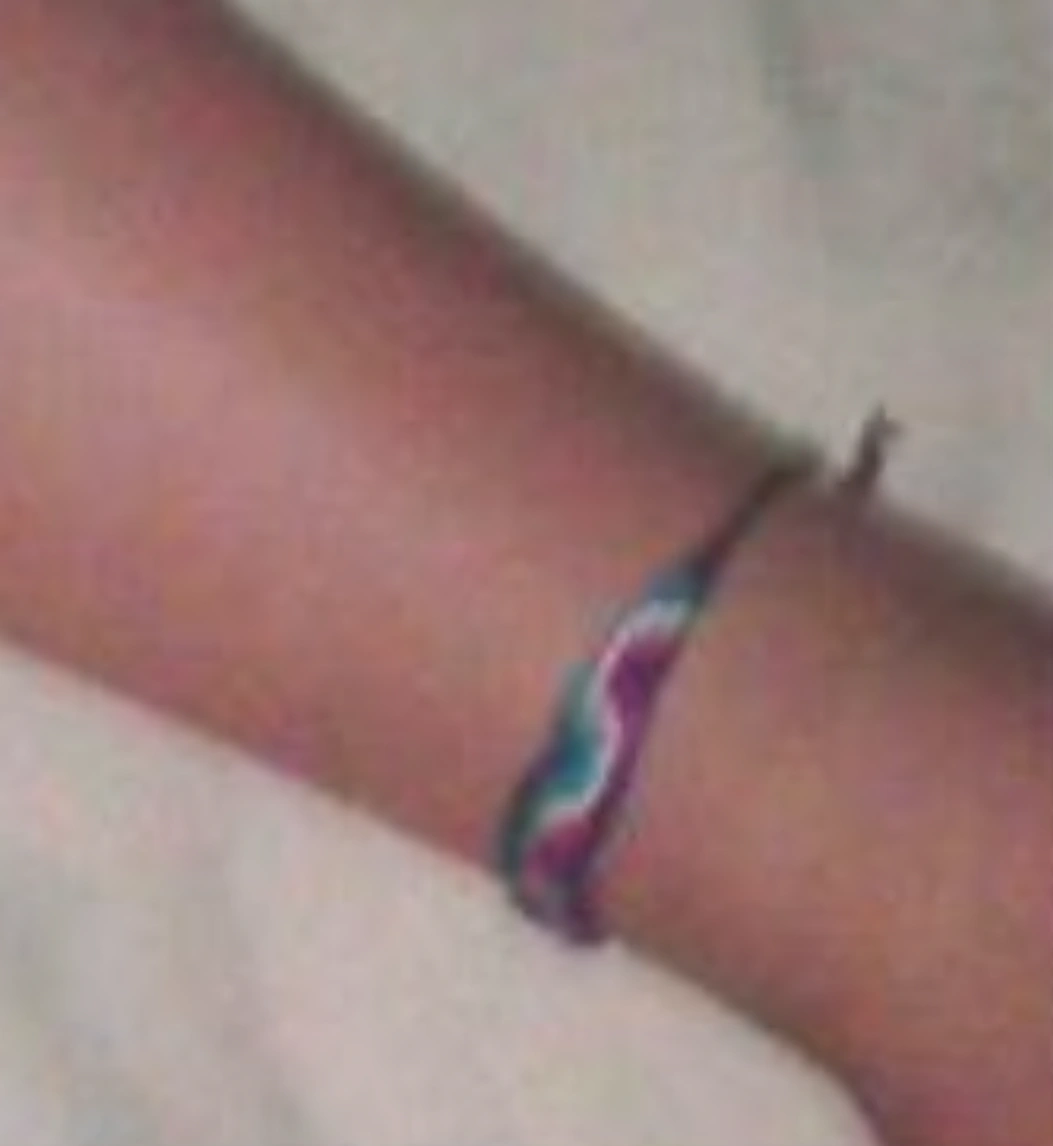
Anklet (Reference: 2501008)
Abuse material likely produced around 2014-2015. The anklet could now be recognisable to a woman in her early 20s, or to friends and family.
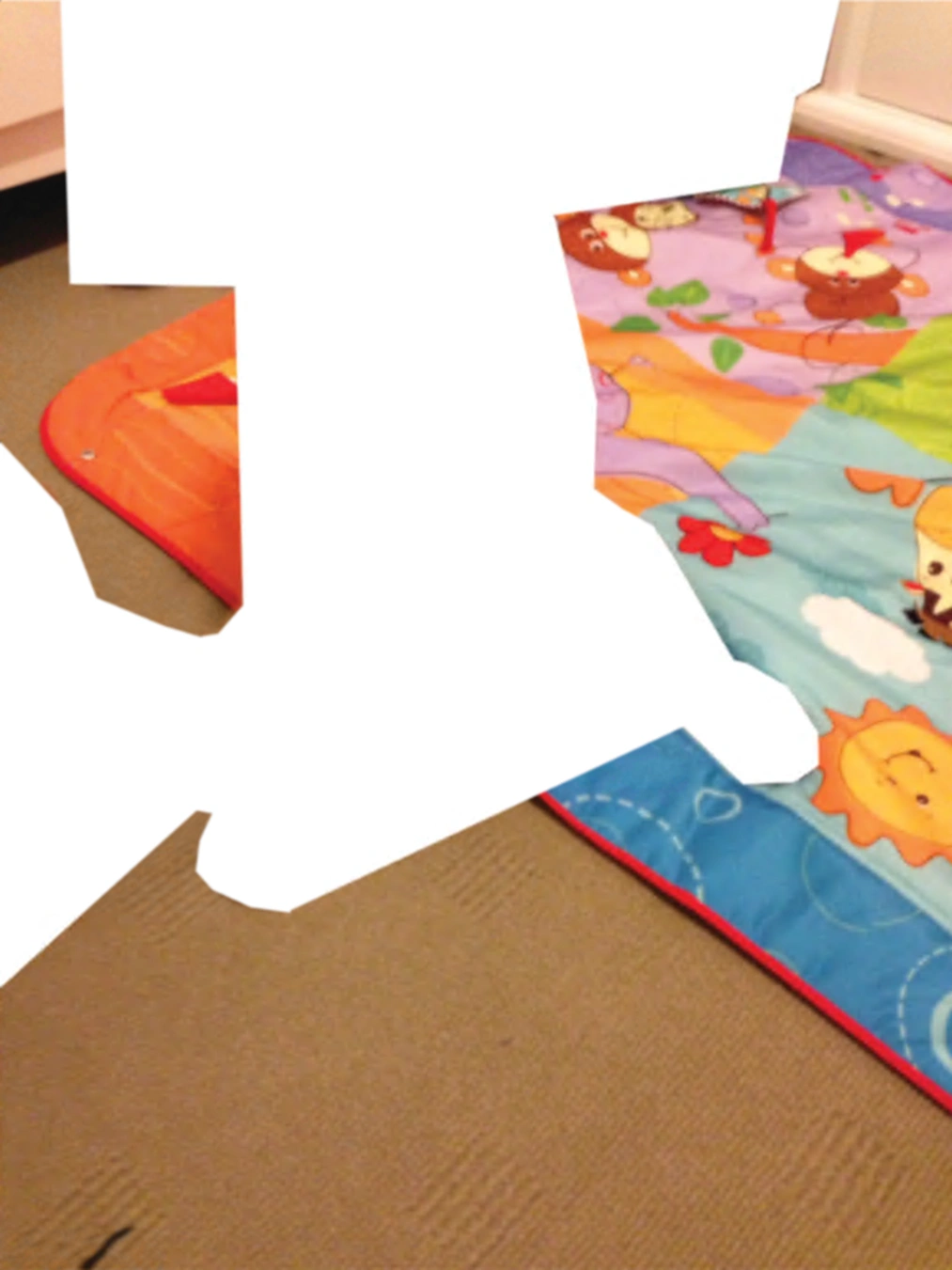
Yellow Carpet (Reference: 2501009)
A bedroom setting from circa 2015. The focus is not the playmat but the distinctive yellow patterned carpet. Builders, real estate agents or cleaners might recall seeing this combination.
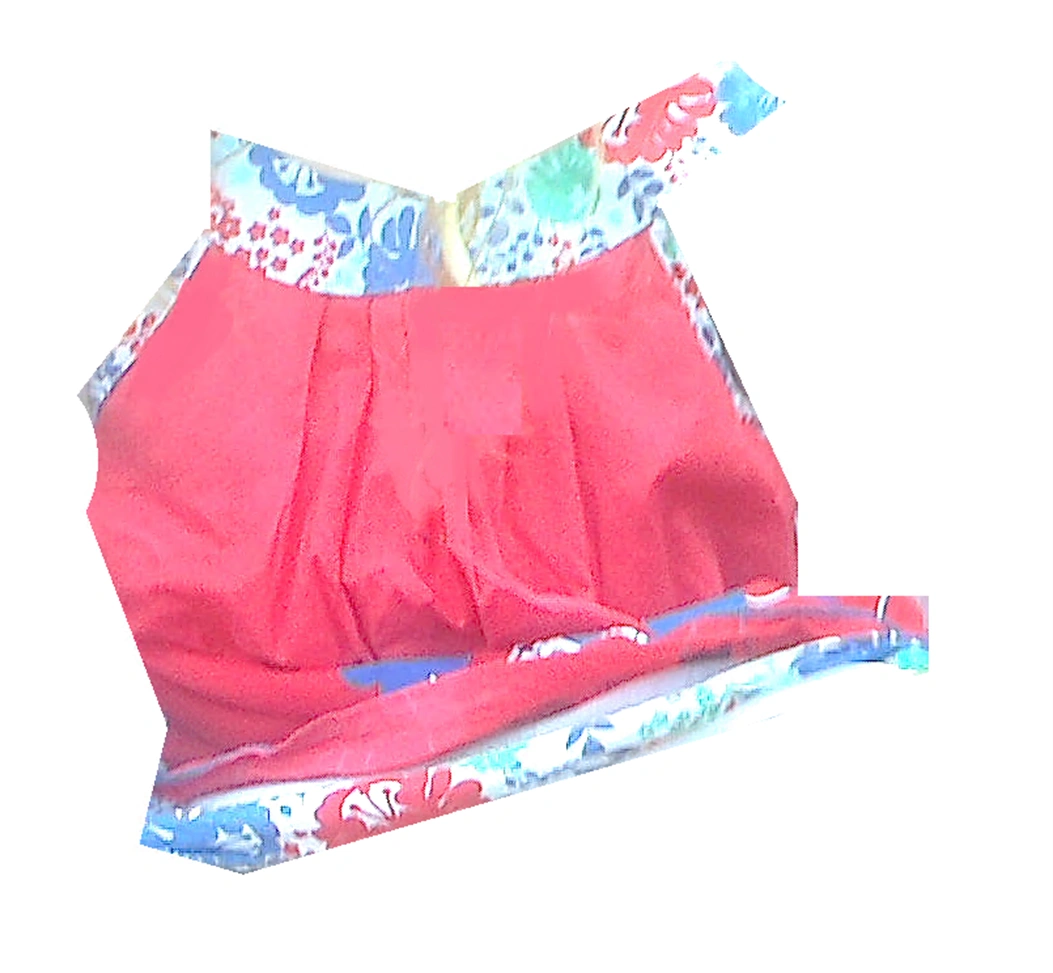
Handmade Dress (Reference: 2501007)
A dress appearing to be handmade or purchased at a community market. Dressmakers, fabric store workers or market stall holders may remember similar items.
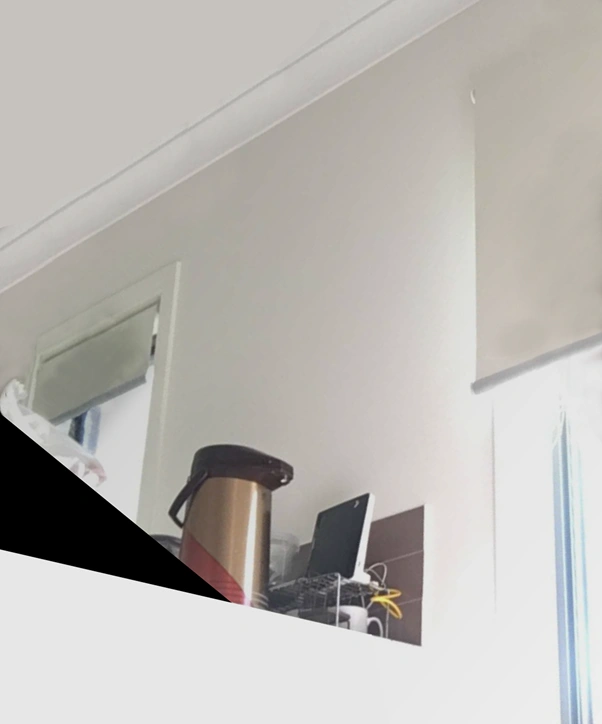
Kitchen Layout (Reference: 2501004)
A standard kitchen or kitchenette. Small details like tile brands, appliances or layout could trigger recognition from tradespeople or property professionals.
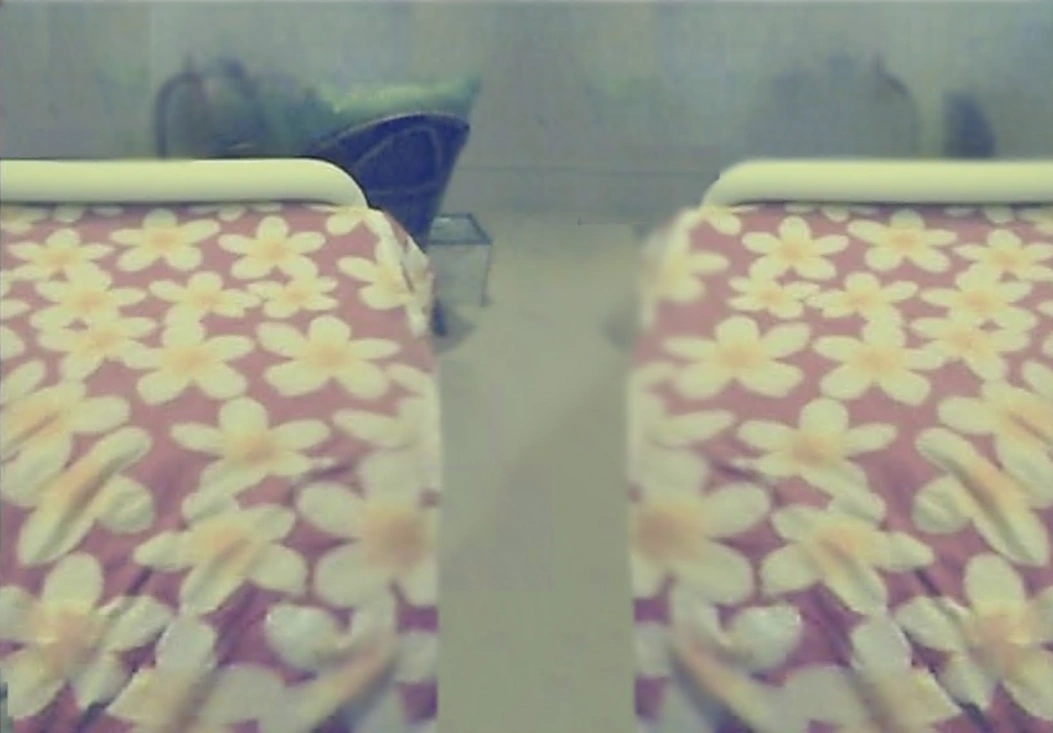
Queensland Bedroom (Reference: 2501003)
Dating back to 2009, this Queensland bedroom features cane furniture alongside floral-patterned quilt covers. An uncommon combination that might spark memories.
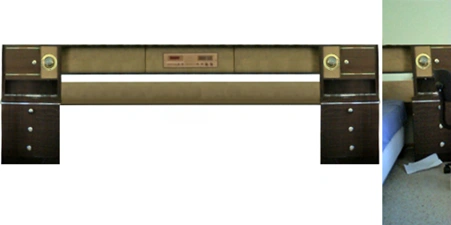
Radio Bedhead (Reference: 2301004)
The oldest image in the collection, estimated between September 2000 and October 2002. Features a distinctive radio bedhead alongside other period furniture and fittings.
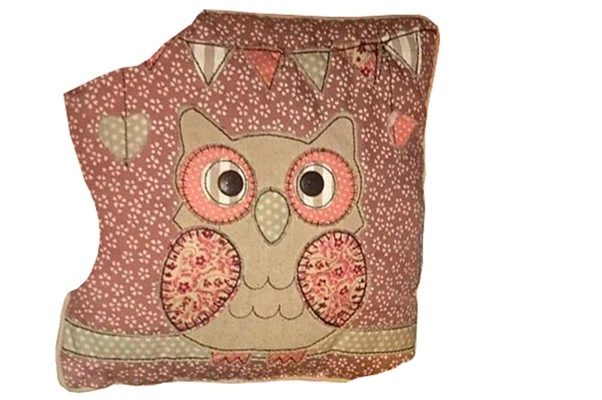
Owl Pillow (Reference: 2102001)
A distinctive owl-patterned pillow sold overseas. Police seek information about where it has been retailed in Australia.
Architectural Features (Reference: 2301001)
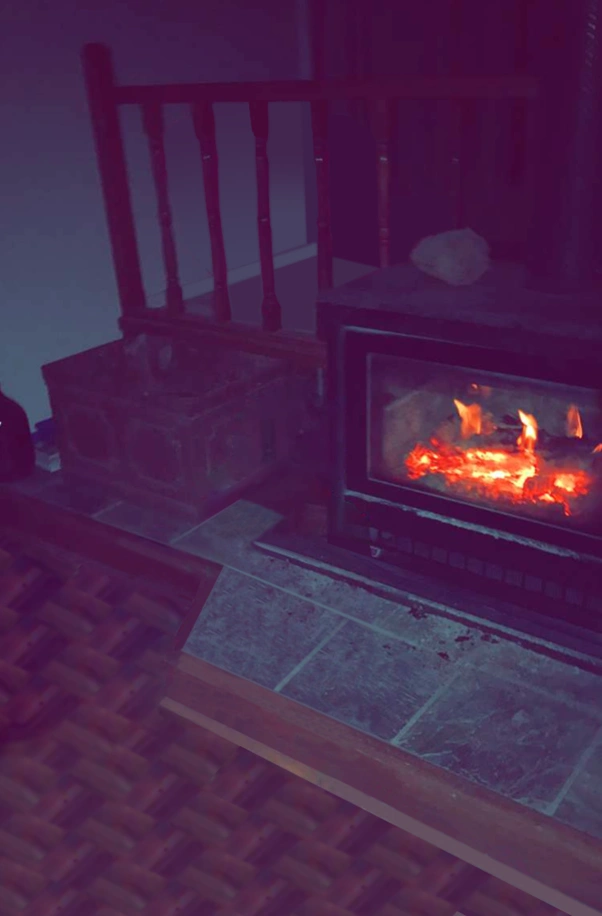
From circa 2017, showcasing balustrade and fireplace designs alongside distinctive tile and parquetry flooring.Architectural Features
Growing Challenge of Online Child Exploitation
AFP Commander Human Exploitation Helen Schneider revealed the scale of the challenge facing investigators. Victim identification team members receive fresh images of online child sexual exploitation every single day.
“Every new file carries just as much horror and trauma for the victim as the one before it,” Commander Schneider said.
“Every one of them represents a life upended, so when team members take on a case they never give up.”
The Australian Centre to Counter Child Exploitation receives images from multiple sources including victim identification taskforces and the US-based National Center for Missing & Exploited Children.
Commander Schneider emphasised that even small tips from the community can prove decisive.
“We know community leads can make or break an investigation, so we encourage people to remember that any tip they give us, no matter how small, could change the life of a victim,” she said.
How Australians Can Help
Anyone who recognises any of the items or settings can submit information through the ACCCE website. Reports can be made anonymously.
The initiative works by tapping into the diverse knowledge sets, life experiences and locations of Australians across the country. Recognition might come from unexpected sources.
Tradespeople such as builders, plumbers, electricians and tilers may recall distinctive architectural features or fixtures. Real estate agents and property managers might remember unusual room layouts or furniture combinations.
Retail workers in fabric stores, homewares shops or market stall holders could recognise handmade items or distinctive products. Even family members or friends might recall visiting homes with these specific features.
Previous releases have demonstrated the power of community involvement. The 1,372 tips received so far have advanced multiple investigations, though police cannot disclose specific outcomes while cases remain active.
Also Read: Albanese Under Fire as Ministers’ Spending Spree Collides with Tobacco Revenue Crisis
Support Services Available
The AFP stressed that support services exist for anyone impacted by child sexual abuse and online exploitation. Parents and carers can access resources through ThinkUKnow, an AFP-led education programme designed to prevent online child sexual exploitation.
If anyone knows abuse is happening or a child is at risk, they should call police immediately on 000. For non-urgent information about people involved in child abuse, contact the ACCCE through their website.
The Australian Federal Police’s latest appeal demonstrates the ongoing battle against online child sexual exploitation. With 1,372 tips already received from previous image releases, the initiative proves that ordinary Australians can play a crucial role in protecting vulnerable children.
Anyone with information about the nine newly released images is urged to visit the ACCCE website to submit a report. Even seemingly insignificant details could provide the breakthrough investigators need to identify victims and bring offenders to justice.


