

The Australian government has enacted new legislation that lays the foundation for a permanent Centre for Disease Control (CDC). This step, after a consultation period with the public health ministries of several years, marks an important milestone.
The main purpose of the Centre is to augment the nation’s capacity to handle disease outbreaks and manage health emergencies by coordinating the efforts of different sectors and agencies. The operations of the new CDC will commence on January 1, 2026, and it will be the successor to the interim CDC that opened in 2024. With the new public health legislation,
Australia is embarking on a journey to enhance disease monitoring, pandemic preparedness and response coordination at the national level. Health professionals have hailed this reform as a long-awaited necessity and a turning point in public health for the country.

Australia establishes a permanent CDC after years of public health consultations.
Why Did Australia Need This Public Health Overhaul?
Australia was among the very few OECD countries that did not have a CDC dedicated to public health issues. The COVID-19 pandemic highlighted the deficiencies in communication, coordination, and cross-border management of diseases.
The health and science community urged the government to establish a unified structure. The newly passed law is a response to those voices after a 700-page review that recommended building a permanent CDC.
A considerable gap in the health security of Australia that had existed for nearly 40 years has now been filled. The administration confirmed that the new body would lead to better national coordination and quicker crisis response capabilities.
Australia’s Permanent Centre For Disease Control To Lead Health Preparedness
Australia’s permanent Centre for Disease Control will be the one to oversee the prevention and control measures of infectious diseases. Furthermore, it will take care of the gathering of national data and give the governments and the public advice that is in line with one policy.
In the long run, it will also include chronic disease prevention in its focus, which is responsible for 90% of deaths in Australia. The Australian government has decided to spend A$251 million during the first four years for the establishment and functioning of the CDC. This investment is a sign of Australia’s intention to not only upgrade its health infrastructure but also to keep up with the global public health standards.
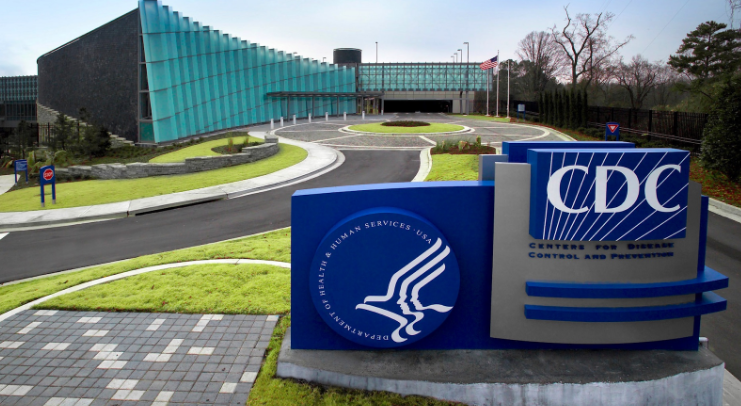
Australia’s new CDC will manage disease prevention, data, and policy coordination.
How Will The Australian National Health Security Law Work?
The new Australian national health security law defines the CDC’s governance and autonomy. The Health Minister will appoint the director-general, but he or she must be politically independent. The law promotes transparency, accountability and cooperation among states, territories and the federal government.
Although the Australian Medical Association backs the legislation, it emphasises the importance of a person with the necessary scientific qualifications leading the way. The CDC’s management and its unambiguous mandate will be vital in determining the future of public health in Australia. This legal structure endows the agency’s mission with stability and credibility.
New Public Health Legislation Australia Strengthens Long-Term Security
The new public health legislation in Australia is considered to be the most profound public health reform of the last several decades. The Public Health Association of Australia characterised it as a historic investment in the national health capacity.
It guarantees that Australia will have the ability to better predict, detect and respond to health threats. The permanent agency is replacing the temporary model that had been in operation since early 2024.
The CDC will not only centralise expertise but also improve coordination among international health organisations and protect the country’s health resilience in the long run. In addition, this reform is likely to win over the public and build their confidence in government health measures.

Australia’s new health law marks a historic reform and investment.
What Challenges Lie Ahead For The New CDC?
There is a lot of support for the CDC, but at the same time, there are also challenges that need to be addressed. The CDC has to build its workforce fast and, at the same time, establish very good cooperation with the states.
A data-sharing system that is both transparent and efficient will be of utmost importance. The public’s trust and consistency in funding will play a big role in determining the success of the agency in the long term. Health department officials state that the very initial leadership appointments will significantly influence the agency’s credibility.
Australia’s position in the world with regard to disease control will be determined by how well the new national health security law is applied. With a rise in international health risks, this reform represents a significant milestone in the battle to keep Australia healthy in the future.
Also Read: $48.7B Kimberly-Clark-Kenvue Merger Marks a New Era in Global Health and Wellness
FAQs
Q1: When will the Australian Permanent Centre for Disease Control start working?
A1: It will replace the interim CDC from January 1, 2026, and will be fully operational by then.
Q2: What is the amount of government funding that will be allocated for the new CDC?
A2: The government is going to spread the sum of A$251 million over the next four years.
Q3: What are the major aims of the new public health legislation in Australia?
A3: The legislation aims at enhancing disease monitoring, better coordination for response and boosting national health security.
Q4: What is the significance of the Australian national health security law?
A4: It gives a legal basis to the CDC, and hence, guarantees autonomy, accountability and uniform coordination at the national level.


