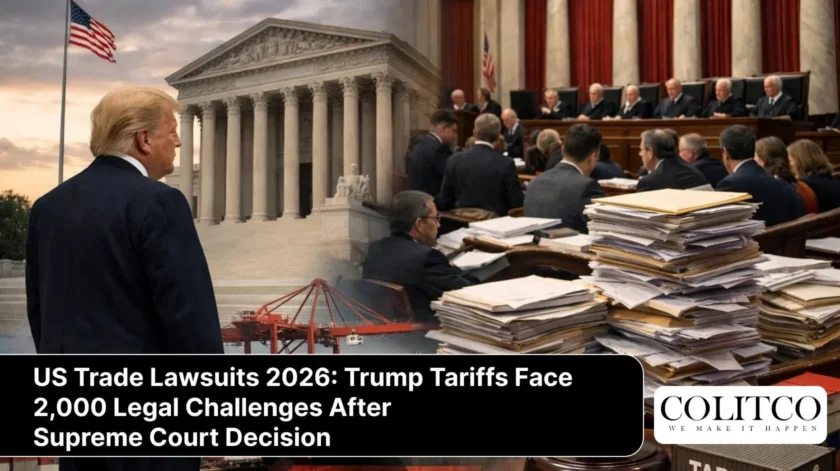
The Supreme Court of the United States ruled that tariffs that were charged using the emergency powers were illegal, and this has led to a legal storm. The ruling was against actions imposed by Donald Trump under the International Emergency Economic Powers Act.
In a few days, over 2,000 companies were ready to initiate lawsuits in order to obtain refunds. The assertions run through retail, logistics and manufacturing. The businesses claim that the levies increased prices and distorted trade.
According to lawyers, the filings are unparalleled in one policy. Investors are now pitting the saga as the trade battle of the year. The surge puts the US trade lawsuits 2026 in the market risk analysis centre. 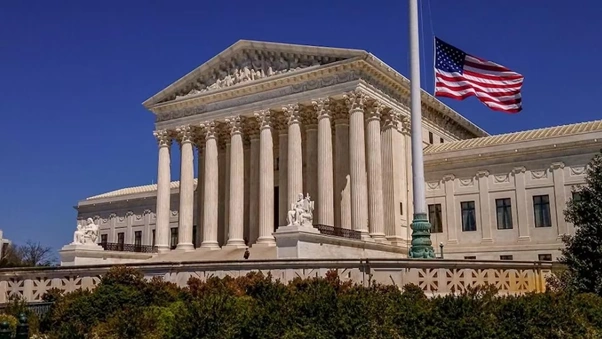
The Supreme Court and trade routes frame the expanding tariff dispute. [Business today]
What Triggered The Surge In US Trade Lawsuits in 2026?
The court asserted that the emergency statute was unreasonable with respect to extensive tariff initiatives. The judges said that the administration was going beyond its powers.
Nevertheless, they did not provide many guidelines regarding the operation of refunds. The responsibility went to the lower courts. The resulting gap brought importers on their toes. There were so many who were afraid of missing recovery intervals.
Lawyers encouraged timely filings in order to save claims. Consequently, there were cases accumulating in the country. Analysts indicate that the lack of a clear framework of refunding was a catalyst towards litigation.
The judgment also empowered trade organisations to organise activities. This list is the reason why the lawsuits of US trade were rapidly swelling to thousands.
Major Corporations Join The Fight For Refunds
There are a number of household names that have come out to fight the tariffs. Costco, FedEx, Dollar General, and Skechers are some of the plaintiffs. Both companies are asserting that the cost of importing is intensifying margins.
The retailers add that consumers ended up paying higher prices. Added paperwork and delays are the reasons given by freight operators. Smaller suppliers are cash flow stressed. The following illustrates the extensive effects of US import tariffs on industries.
According to trade consultants, even small-scale duties are difficult to compound. That is the weight that is why today the giants and small firms share the courtroom.
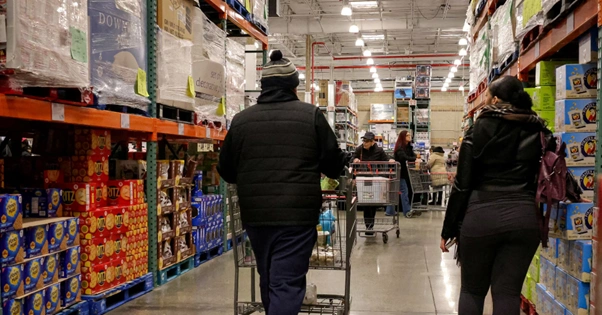
Retailers and logistics leaders are among the firms seeking tariff refunds. [Reuters]
Refund Process Could Become A Legal Mess
The high court cautioned that the administration of refunds can get out of control. According to judges, the situation was said to be probably a mess. Eligibility and timelines are now to be determined on lower courts.
Tens of thousands of claims will be verified. Records of customs date back several years. Their processing might be overwhelming the agencies. Companies are afraid of time wastage. Investors are even concerned with uncertainty in accounting.
Other companies might be forced to revert revenues after receiving refunds. The courts forecast that cases will last longer as a result of appeals. It makes the Trump tariffs news dominate financial news. But at least the picture is not clear.
Hundreds Of Billions In Tariff Revenue Hang In Balance
It is reported that the administration is looking into options of keeping some of the funds collected. One of the proposals gives priority to refunds to the firms that surrender some part.
The other strategy would repurpose the old collections into new trade legislation. At the same time, the Senate Democrats have put forward a bill to remit up to $175 billion. The bill would impose a limit of 180 days on the U.S.
Customs and Border Protection to process refunds with interest. The magnitude of such an amount highlights the huge financial stakes.
Markets consider the amount as a federal revenue planning sum. The argument reveals the intersection of fiscal pressure and legal accountability.
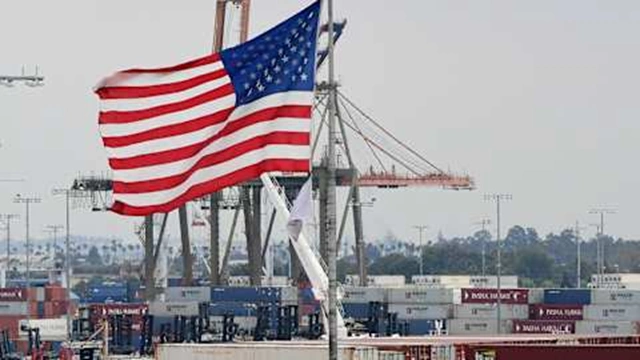
Lawmakers and ports illustrate the financial stakes of tariff refunds. [Financial Times]
Court Battles May Redefine Future Trade Policy
This result may redefine the implementation of tariffs in the future. Stricter justification and supervision may be required by courts. Lawmakers can improve laws in order to avoid such conflicts.
Business Supply chains are already being diversified. Investors will be attracted to consistent and predictable systems. Such a change can decrease the dependency on unexpected tasks.
Nevertheless, political leaders might be unwilling to part ways with leverage. The next US trade strategy phase will be characterised by tension.
At the moment, Trump’s tariffs are still dynamic. The US trade lawsuits in 2026 are growing, which will keep the problem in the spotlight. Markets will follow every decision.
Also Read: Tariffs, AI Fears Push Global Stocks into Uncertain Territory
FAQs
Q1. Why were the tariffs challenged?
A1: The Supreme Court ruled that emergency powers did not justify broad tariff use.
Q2. How many lawsuits have been filed?
A2: More than 2,000 companies are pursuing refund claims.
Q3. How much money could be refunded?
A3: Proposals mention refunds of up to $175 billion with interest.
Q4. What happens next?
A4: Lower courts will design the refund process and hear each case.