
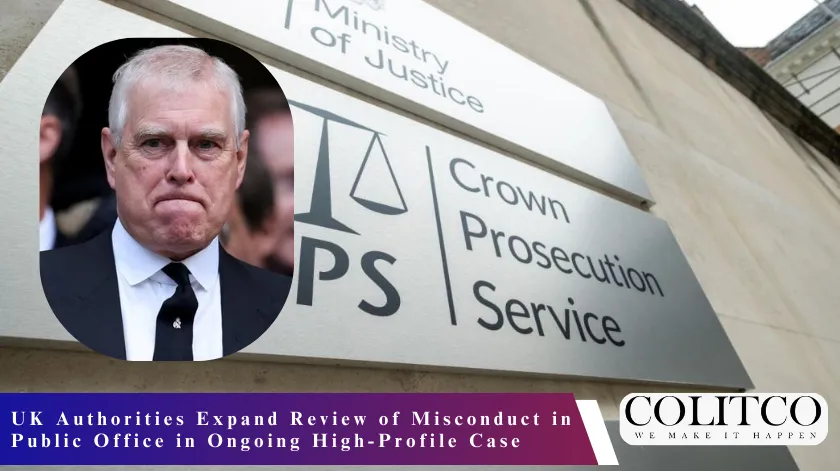
Authorities expanded their focus on misconduct in public office as scrutiny intensified on the conduct of a former senior royal figure. Investigators advanced their assessment of legal standards while examining conduct linked to a past official role. The ongoing review widened interest in how the offence operates within modern public institutions.
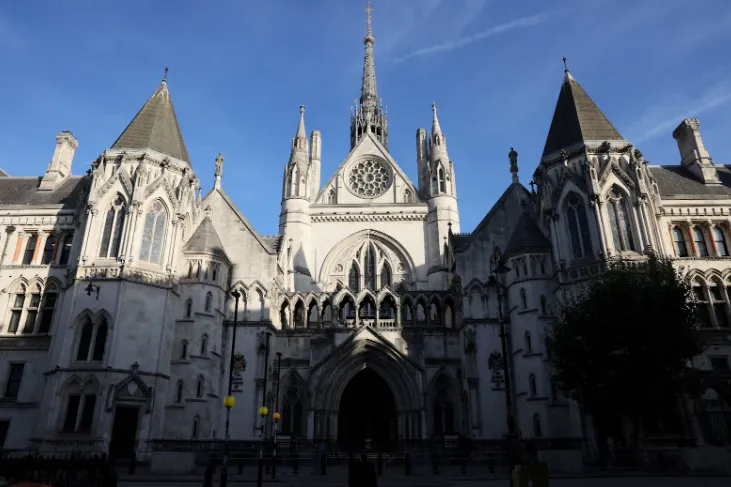
The Royal Courts of Justice in London, where serious common law offences such as misconduct in public office may be heard. [Reuters]
Definition and Scope of the Offence
The offence of misconduct in public office holds a central position in UK common law. Courts apply it to serious wrongdoing that breaches public trust through wilful neglect or misuse of authority. Therefore, it remains a significant tool in cases involving abuse of official responsibility.
Public office covers a wide range of roles that carry public duties. Roles such as those held by judges, civil servants, immigration staff, and serving police fall within its scope. The definition also applies to high-trust positions, including clergy and volunteer monitors within public systems.

Misconduct in public office remains a common law offence applied by UK courts. [IStock]
Courts require proof that the accused acted as a public officer at the relevant time. They also require evidence that the conduct reached a level that damaged public trust. Consequently, successful cases focus on serious behaviour rather than minor administrative failures.
Core Elements Under the Law
The offence requires four distinct elements that prosecutors must establish. They must show that the accused acted in an official capacity while wilfully neglecting duties or acting improperly. They must also show that the conduct seriously breached public trust without reasonable excuse.
Prosecutors examine intent and behaviour to determine whether the actions were deliberate. They also assess whether the officer knew the conduct broke expected standards. This framework helps courts measure the seriousness of the breach.
The law retains a strict threshold to prevent trivial claims. Only behaviour that clearly harms public confidence meets the standard. As a result, the offence remains reserved for clear abuses of authority.
Range of Roles Covered
Public office includes a wide range of categories within government and official institutions. The role of a police officer, a prison officer, a government official or an immigration officer all fall under this definition. It also extends to elected officials who carry public duties.
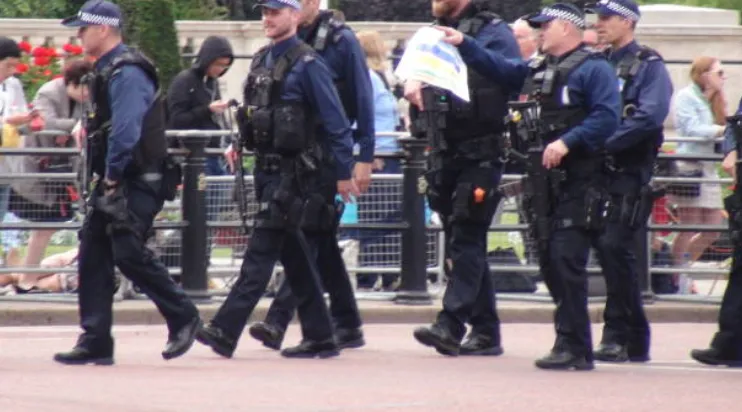
Police officers are among the public officials who may fall within the scope of misconduct in public office law. [Istock]
Positions within the church have also fallen within the definition when they involve public responsibility. For example, authorities previously treated the role of a senior cleric as a qualifying office due to its influence. This interpretation stresses the broad reach of the law.
Nevertheless, the courts exclude some occupations that lack direct public authority. They have ruled that roles such as ambulance paramedics do not always meet the threshold. This demonstrates an ongoing need to interpret the boundaries in each case.
Penalties Linked to Misconduct in Public Office
The law allows severe penalties in proven cases. Courts can impose sentences of up to life imprisonment for the offence. However, they rarely issue penalties near the upper limit.
Most sentences remain significantly lower due to the specific facts of each case. Previous convictions have involved notable figures whose actions breached public trust. In one case, a former senior cleric received a prison term due to abuses linked to his official role.
The rarity of long sentences reflects the narrow application of the offence. Prosecutors only bring cases when they believe that evidence clearly supports the charge. As a result, the offence maintains its status as a serious and high-threshold allegation.
Recent Case Involving a Former Senior Royal
Authorities intensified their investigation into the conduct of Andrew Mountbatten-Windsor in early 2026. They opened inquiries linked to his past position as the UK trade envoy. The investigation followed the release of documents from the United States.
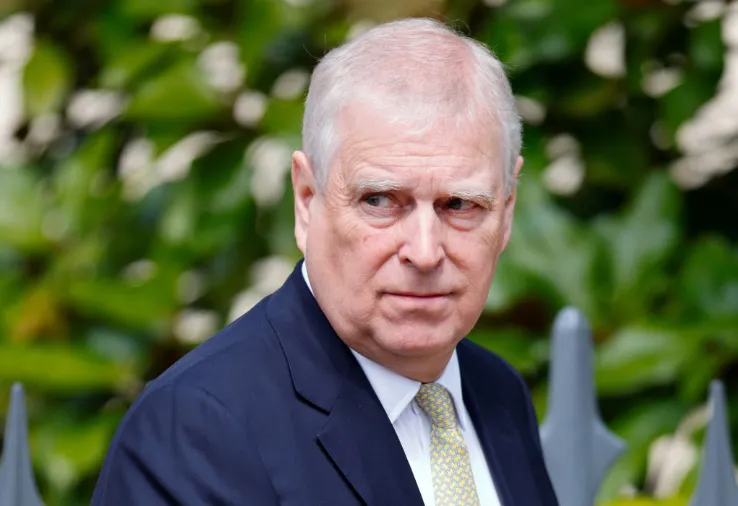
Prince Andrew, formerly the UK trade envoy, is linked to the ongoing legal review. [GettyImages]
Officials examined material connected to the late financier Jeffrey Epstein. The documents allegedly showed communication involving the transfer of official travel details from overseas missions. They also indicated the sharing of post-trip reports from visits to regions such as Singapore and Vietnam.
Authorities also assessed papers referencing discussions on overseas commercial opportunities. The documents suggested exchanges involving plans relating to resource sectors in Afghanistan. These details led investigators to widen their review of the former envoy’s official activities.
Legal Context Surrounding the Investigation
Investigators considered past cases that involved the misuse of public authority. They noted earlier examples where public officers used their roles to secure personal advantages. These examples helped outline the seriousness required for a charge.
Legal analysts highlighted the demanding nature of the offence. They stressed that prosecutors must show clear evidence of wilful misconduct. This requirement limits the number of cases that progress to trial.
Despite the challenging threshold, the offence remains a key legal mechanism. Officials rely on it when misconduct involves official power and significant public responsibility. Therefore, authorities continue to assess whether current evidence meets the standard.
Public Response and Institutional Impact
The case generated strong interest due to the involvement of a high-profile figure. Members of the public expressed support for a full investigation. They also called for transparent handling as the review progressed.
Public institutions emphasised the importance of equal application of the law. They stated that personal status does not affect legal responsibility. This perspective reinforced public confidence during the investigation.
The continued discussion highlighted the role of public trust in official systems. It also underscored how serious allegations can affect confidence in institutions. As the case develops, authorities aim to maintain consistency and clarity.
Also Read: Nvidia Backs OpenAI With $30B Equity, Replaces $100B Deal
Background and Continuing Developments
Misconduct in public office remains an old but central part of UK law. The offence has existed for centuries and still addresses modern abuses of authority. Its broad scope ensures that serious misuse of public duties remains punishable.
Reform bodies have considered changes to the offence. Some recommended replacing it with statutory laws that provide clearer definitions. This discussion continues as courts apply the existing common law framework.
Authorities will continue evaluating the evidence in the current investigation. They will determine whether the conduct reached the legal threshold. The outcome may influence broader discussions on accountability across public roles.
FAQS
- What is misconduct in public office?
Ans. Misconduct in public office is a common law offence in the UK. It occurs when a public officer wilfully neglects their duty or acts improperly in a way that amounts to an abuse of public trust.
- What are the elements of misconduct in public office?
Ans. Prosecutors must prove four elements:
- The accused was acting as a public officer.
- The conduct occurred in the course of their public duties.
- The conduct amounted to wilful neglect or misconduct.
- The misconduct was serious enough to amount to an abuse of public trust.
- Who qualifies as a public officer under UK law?
Ans. Public officers can include police officers, prison officers, civil servants, immigration officials, and elected representatives. Courts assess eligibility based on whether the role carries public duties and authority.
- Is misconduct in public office a criminal offence?
Ans. Yes. It is a criminal offence under UK common law and can lead to prosecution in serious cases involving abuse of official authority.
- What is the maximum sentence for misconduct in public office?
Ans. The offence carries a maximum penalty of life imprisonment. However, courts typically impose lower sentences depending on the severity of the misconduct.
- How is misconduct in public office different from corruption?
Ans. Misconduct in public office focuses on wilful neglect or abuse of public duty. Corruption offences usually involve bribery or financial gain under statutory laws such as the Bribery Act 2010.
- Is misconduct in public office being reformed?
Ans. The Law Commission has previously reviewed the offence and proposed replacing it with clearer statutory offences. However, it remains part of UK common law.