Intel stock news Australia is gaining momentum following a drastic fall in the market. Intel shares dropped nearly 3.5 per cent in afternoon trading. The fall was a result of the abrupt withdrawal of one of the senior foundry executives.
Kevin O’Buckley joined Qualcomm as a supply chain head. The departure was considered a strategic loss by the investors.
The most important aspect of Intel to recover is in the foundry operations. There was a sense of doubt because of the uncertainty with the leadership. The traders responded promptly, and the volumes grew in the exchanges.
The action raised the issue of the risk of execution. The ripple was also experienced by Australian investors who are following the Intel stock today in Australia. Chip stocks are sensitive to change of management.
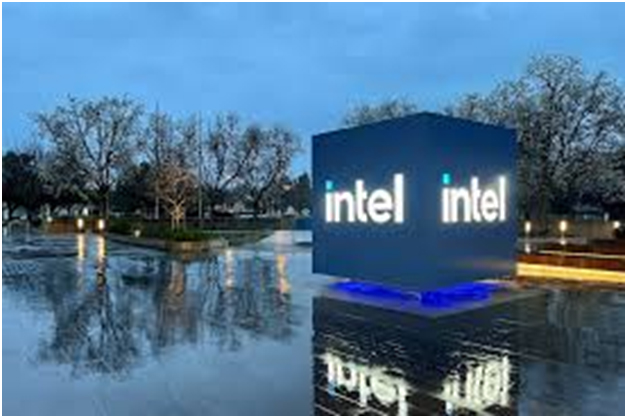
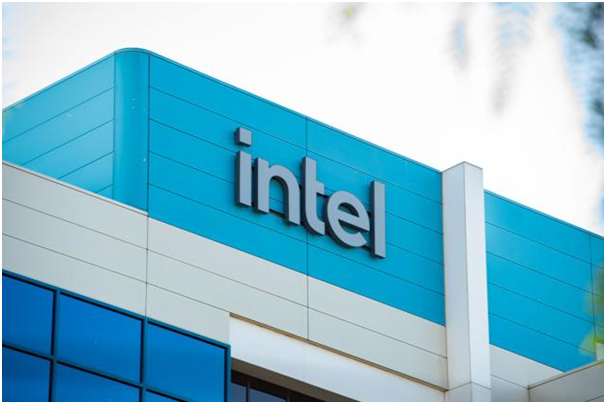
Intel’s manufacturing and headquarters visuals reflect the scale of its global chip operations. [CIO]
Who Left Intel And Why Does It Matter?
In Intel Foundry Services, O’Buckley worked as a senior vice president and general manager. He was a prominent figure in terms of being one of the operational leaders. He has now made the vice president of global operations and supply chain at Qualcomm.
The reorganisation eliminates the experience of the most strategic department of Intel. The foundry business assists Intel in producing chips for other clients. This company is in direct competition with the Asian contract manufacturers.
The loss of a key person might delay delivery and collaborations. Intel reported that the unit is still a priority. The management emphasised disciplined performance and customer performance. The division is still led by Naga Chandrasekaran.
Nonetheless, the markets do not like succession ambiguity. It is difficult to understand why they leave. There is speculation that the move was made based on changes in the reporting structure. That opinion is not proved wrong.
How Does Nvidia Increase The Pressure On Intel Stock News Australia?
Intel is another stressor due to the competition. NVIDIA is not only focusing on graphics processors. It focuses on taking the market share in the central process units. The use of AI is in deployment, and CPUs are gaining traction. Training was based on GPUs, whereas deployment is biased towards CPUs. NVIDIA would like to be exposed to that market transition.
It is reported to have invested in Intel 5 billion dollars in the last December. Such an investment connects the two companies in intricate ways. NVIDIA has the advantage of the stability of Intel, but it is a direct competitor.
These dynamics bring about strategic tension. Investors are concerned that Intel can become a loser in both foundry and CPUs. This attitude hangs over Intel earnings impact Australia discourse.
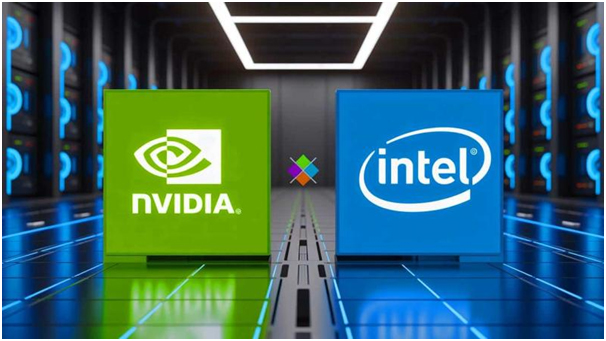
Data centres and processors highlight the battleground between Nvidia and Intel. [LinkedIn]
Intel Reaffirms Foundry Strategy And Operational Focus
Intel acted promptly to reassure shareholders. It named Intel Foundry among its top priorities. Leadership was to deliver in a consistent fashion and with disciplined execution.
The company publicly thanked O’Buckley, who served the company. The management hoped that he would succeed in his new position. The message set out to curb speculation. Nevertheless, trust is a long process to restore.
The success of the foundry is key to the increased revenue in the future. It serves the government contracts and enterprise clients. Late delivery will be detrimental to margins and competitiveness.
Whenever it comes to the investors, they tend to require evidence as opposed to assertions. That promise will be put to the test during the next quarterly results. A high number of orders would stabilise the share price. Poor performance can lengthen volatility.
What Do Analysts Say About Intel Stock Today in Australia?
Broker sentiment is still nervous. Wall Street imposes a Hold consensus rating. Eight analysts rate it Buy. Twenty one suggest Hold.
Four recommend Sell. Its share price has increased by 103.03 per cent in the last year. The mean target is at $48.21 per share. That is a 6.67% upsizing potential. These figures indicate a low short-term enthusiasm. Most would like to be informed about performance first.
The Australian investors tend to reflect the US sentiment. Thus, there is a possibility of Intel stock in Australia going sideways today. Cost controls and utilisation of the factories are also tracked by the analysts. Forecasts will be affected by foundry orders.
The next step that Intel would take is being weighed, and analysts are following charts and targets. [Yahoo Finance]
Investor Outlook Remains Cautious, But Opportunity Exists
Intel still has a high level of short-term risks. Strategy can be derailed with leadership exits. NVIDIA poses competitive pressure, which makes recovery harder.
However, Intel has valuable assets and technology. Domestic chip support by the government can help. Growth in the foundry might open up new customers.
Long-term value may be experienced by patient investors. The buyer window may be formed due to volatility. Nevertheless, risk management is still significant. Diversification assists in the balancing of exposure.
It will be essential to monitor Intel’s profits in Australia. Sentiment will be determined in the next few quarters. All that was in place until that time, when caution ruled the trade behaviour.
Also Read: Market Shock: Intel Stock Drop Erases Over $30 Billion in a Single Day
FAQs
Q1. Why did Intel’s shares fall recently?
A1: Shares fell after a senior foundry leader departed for Qualcomm, raising execution concerns.
Q2. How big was the stock decline?
A2: Intel shares dropped nearly 3.5% during Thursday afternoon trading.
Q3. What role does Nvidia play in the story?
A3: NVIDIA is entering CPUs, increasing competition for Intel’s core markets.
Q4. Should Australian investors buy Intel now?
A4: Analysts rate it Hold, suggesting patience until clearer results emerge.