The ASX is watching as ESG impact on ASX stock becomes a live issue for travel and airline sectors. Recent headlines around brand reputation have put investor attention on how fast sentiment can shift, even without operational shocks. For Australian portfolios holding exposure to travel or Virgin-branded finance products, understanding ESG screening tools and disclosure rules is now essential.
This article maps the near-term risks and provides a practical checklist for position management. We focus on data, coverage speed, and the line between reputational noise and market-moving disclosure.
How Brand Headlines Create ESG Impact on ASX Stock
Richard Branson denied claims on 14 February 2026 that Sarah Ferguson is staying on Necker Island. The denial keeps this a reputational story rather than a business event. Yet for Australian investors, ESG screens flag controversy fast, and headlines can move share prices in the short term.

Figure 1: Richard Branson, founder of the Virgin Group. [Source: World Bank Live]
No operational disruptions have been reported. However, related brands could face shifts in marketing spend or customer sentiment across Australia.
What ESG Investing Australia Means for Airline Stocks ASX
ESG investing Australia has grown sharply, with screens now embedded in institutional mandates. Investors track environmental, social, and governance metrics to assess risk beyond financial statements. When a brand linked to travel faces controversy, ESG scoring tools can downgrade exposure and prompt fund managers to review holdings.
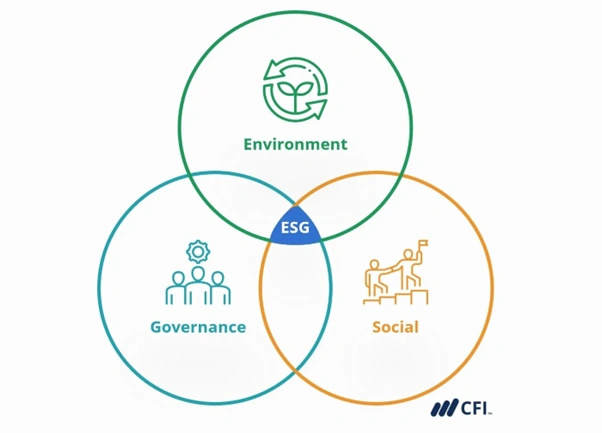
Figure 2: ESG framework used by investors to assess environmental, social, and governance risk. [Source: Corporate Finance Institute]
Airline stocks ASX sit inside these portfolios. Flight Centre Group Limited (ASX: FLT), Webjet Limited (ASX: WEB), and Qantas Airways Limited (ASX: QAN) carry exposure to customer sentiment. Bank of Queensland Limited (ASX: BOQ) operates the Virgin Money branding. While Virgin Australia remains privately owned, ASX-listed partners can see shifts in search traffic or advertising budgets when headlines spike.
ASX Disclosure Rules and Reputation Risk
Under ASX Listing Rule 3.1, companies must immediately disclose information that a reasonable person would expect to move the share price. A reputational story alone rarely meets that test. If a listed counterparty faces lost sales, rising marketing costs, or regulatory contact, disclosure may be required.

Figure 3: Australian Securities Exchange (ASX) building, reflecting continuous disclosure requirements. [Source: GRT Lawyers]
ASIC has targeted greenwashing, and the ACCC has issued guidance on environmental claims. Boards should ensure ESG statements match facts. Social and governance risks can spread fast online, and the Modern Slavery Act reporting duty pushes for stronger due diligence.
A Practical Checklist for ESG Investing Australia Portfolios
Keep position sizes modest in names with brand links. Avoid leverage around noisy headlines. Set alerts on key search terms tied to Virgin ESG risk. Review marketing budgets and travel exposure across holdings.
Watch for these signals:
- Advertiser pullbacks or sponsorship changes
- Regulator inquiries or guidance
- Negative tone shift across major outlets
- Customer review pattern changes
Any of these would shift the story from reputational to market-moving and merit fresh valuation work on affected airline stocks ASX.
Which ASX Travel Names Face Exposure
Flight Centre Group, Webjet, and Qantas could see tweaks to marketing strategy if ESG impact on ASX stock deepens. Bank of Queensland carries Virgin Money branding and may face reputational questions. Corporate Travel Management Limited (ASX: CTD) also sits inside portfolios screened for governance risk.

Figure 4: Qantas Airways Limited aircraft. [Source: Reuters]
Virgin Australia is privately owned and not listed. However, sentiment around the Virgin brand can influence competitor positioning. So far, no ASX entity has issued a market disclosure tied to recent headlines.
Final Thoughts
Richard Branson denied the Necker Island rumour on 14 February 2026. With no operational issues reported, this remains a reputational story. For ASX investors, track news velocity and brand statements. Review exposure to travel and Virgin-branded activity.
Keep position sizing tight and document all decisions. If a listed counterparty reports higher marketing costs or reduced bookings, reassess quickly. That would push the story into market-moving territory and may require disclosure under ASX rules. ESG investing Australia demands speed and clear position management when headlines move faster than fundamentals.
FAQs
Q1. What did Richard Branson deny about Necker Island?
Ans. On 14 February 2026, Branson said Sarah Ferguson is not on Necker Island. The denial keeps the story reputational. No confirmed impact on Australian-listed companies has been reported.
Q2. What should ASX investors watch today?
Ans. Monitor news velocity and search interest for Virgin ESG coverage. Track statements from partners tied to Virgin-branded products. Look for signs of higher marketing spend or paused campaigns.
Q3. Does this affect Virgin Australia or ASX airlines?
Ans. Virgin Australia is privately owned. ASX travel names like Flight Centre, Webjet, and Qantas could see sentiment shifts if headlines persist. No operational disruptions are reported.
Q4. Is there a legal angle in Australia?
Ans. Yes. Under ASX Listing Rule 3.1, market-moving information must be disclosed. ASIC and the ACCC scrutinise ESG claims closely, so accuracy in public statements is vital.