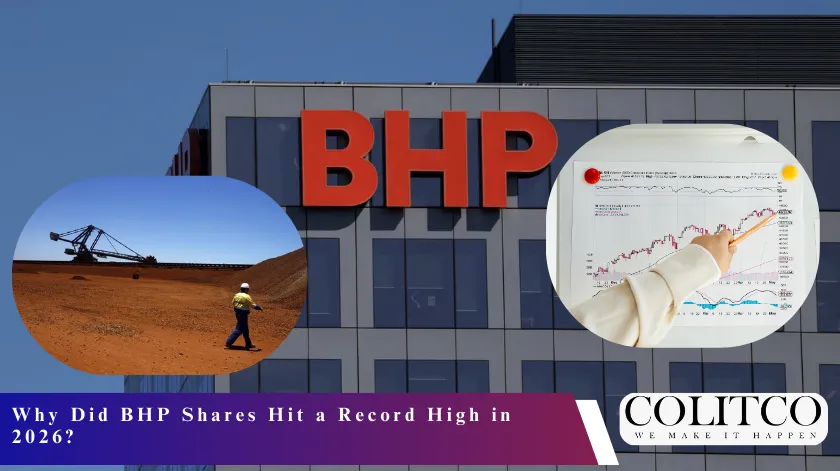
BHP shares surged to a record high in February 2026 after the miner delivered a stronger-than-expected half-year result and surprised the market with a bigger interim dividend. Investors reacted quickly. On February 17, the stock jumped about 7% to A$53.68, the highest level the company has ever traded at.
BHP shares reached a record high in February 2026 following strong half-year earnings and rising copper profits. [Reuters]
The rally followed the release of BHP’s H1 FY2026 numbers, which showed underlying attributable profit of US$6.20 billion. That marked a 22% increase from a year earlier and comfortably beat analyst expectations. The company also declared an interim dividend of US$0.73 per share, above the roughly US$0.63 many had pencilled in. That move alone signaled management’s confidence in cash flow.
Earnings Came in Stronger Than Expected
For the six months to December 2025, BHP delivered solid results across its core operations. Higher commodity prices helped, but cost discipline played a major role too. Margins improved, and earnings moved higher across key divisions.
Underlying EBITDA increased meaningfully, with copper contributing more than ever before. Operating cash flow reached about US$9.4 billion. Even after increased capital expenditure, free cash flow stood near US$2.9 billion. That left the balance sheet in healthy shape and gave management room to reward shareholders.
Production volumes improved in several areas, while pricing remained supportive. Management stuck to capital discipline and kept long-term growth projects on track. Investors took that as a sign that earnings strength was not just a one-off quarter.
Copper Steals the Spotlight
The biggest shift came from copper. For the first time in BHP’s history, copper overtook iron ore as the company’s largest earnings contributor. In H1 FY2026, copper made up around 51% of group EBITDA.
Copper EBITDA reached roughly US$7.95 billion. Iron ore followed closely at about US$7.50 billion. Realised copper prices rose around 32% year-on-year, driven by strong global demand and tighter supply conditions.
The demand story remains powerful. Artificial intelligence infrastructure, large data centres, electric vehicles, renewable energy projects, and grid upgrades all require significant copper. Governments have also built stockpiles. That structural demand has changed how investors view the company.
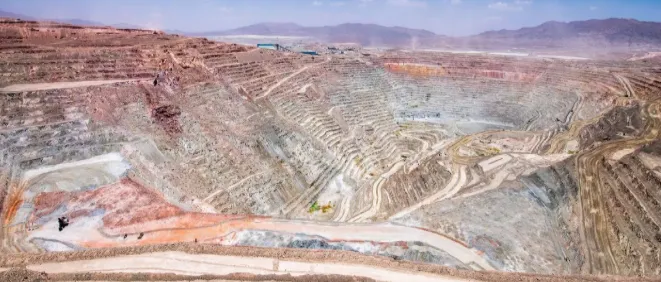
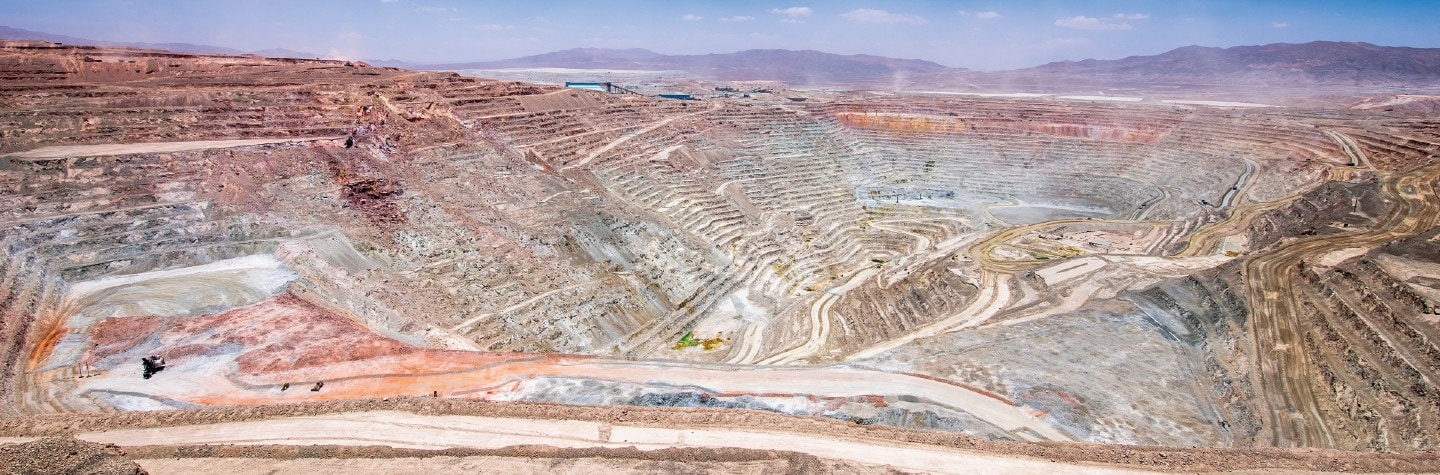
Copper accounted for 51% of BHP’s EBITDA in H1 FY2026, driven by strong output at Escondida. [BHP]
BHP responded by lifting its FY2026 copper production guidance to between 1.9 and 2.0 million tonnes. Strong performance at Escondida and Antamina supported the upgrade. Management pointed to record output and lower unit costs as key drivers.
Iron Ore Still Delivers Volume Strength
While copper grabbed the headlines, iron ore continued to provide scale and stability. The Western Australia Iron Ore division delivered a record half-year production of 146.6 million tonnes. Shipments also reached record levels.
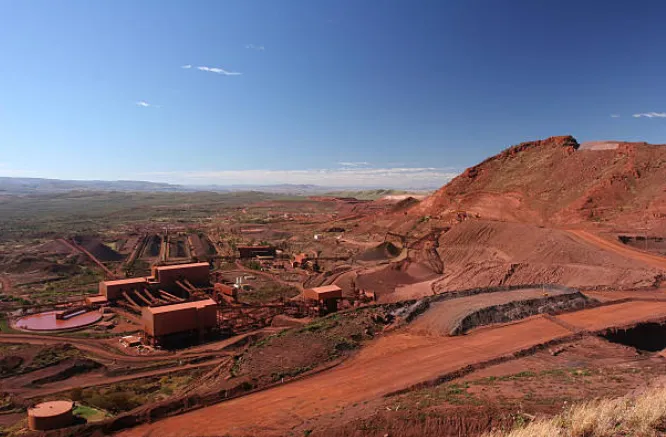
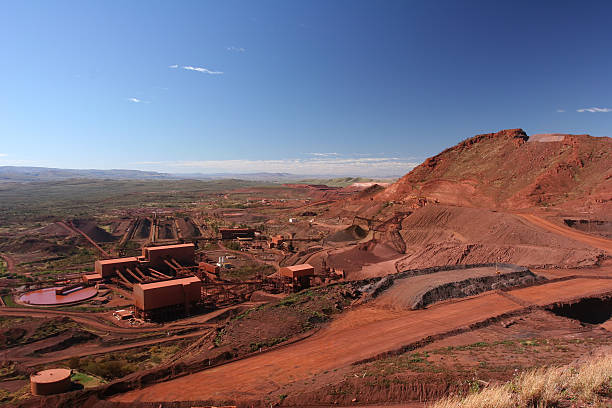
Western Australia Iron Ore delivered record half-year production of 146.6 million tonnes. [IStock]
Iron ore prices softened at times due to swings in Chinese steel demand. However, high volumes and tight cost control helped steady earnings. BHP maintained its position as one of the lowest-cost producers in the market.
At the same time, copper operations improved in efficiency. Unit costs at Escondida declined by about 16% compared with the prior year. Higher throughput and smoother operations translated into stronger profitability. Together, these gains reinforced the company’s operational strength.
Dividend Boost Sends a Clear Signal
The interim dividend of US$0.73 per share played a central role in the share price jump. The payout reflected a 60% ratio, consistent with company policy, but it exceeded expectations.
Markets often treat dividend increases as a signal of confidence. In this case, management showed that it felt comfortable with both earnings visibility and cash generation. Income-focused investors responded positively.
BHP’s capital allocation framework prioritises balance sheet strength and disciplined investment. Once those boxes are ticked, surplus cash flows back to shareholders. The February announcement followed that approach closely.
Commodity Tailwinds Add Support
Copper may have led the earnings mix, but other commodities also helped. Gold and silver prices remained firm amid inflation concerns and geopolitical tension. Those byproducts added incremental revenue.
Global growth projections for 2026 suggest expansion near 3%, with China expected around 5%. Such growth levels typically support demand for steelmaking materials and industrial metals.
BHP’s diversified exposure across iron ore, copper, metallurgical coal, and potash gives it flexibility. While copper now carries more weight, iron ore continues to anchor cash flow. That balance reduces dependence on any single commodity cycle.
Strategic Deal Strengthens Financial Position
BHP also improved its capital flexibility through a US$4.3 billion silver-streaming agreement with Wheaton Precious Metals tied to the Antamina mine.
Under the deal, BHP secured upfront cash in exchange for future silver output. The structure unlocked value without adding debt. Management indicated that proceeds would support copper expansion plans.
The company continues to advance expansions at Escondida and projects within Copper South Australia. It is also progressing the Vicuna joint venture. These initiatives aim to increase copper production capacity over the medium term.
Market Reaction Reflects a Shift in Perception
The sharp move on February 17 marked one of BHP’s strongest single-day gains in recent memory. Analysts noted that the earnings mix now looks different. With copper contributing more than half of EBITDA, BHP’s profile has shifted.
Some market participants suggested that investors may begin valuing the company more like a copper-focused producer than a traditional diversified miner. Even so, several brokers maintained neutral ratings, with price targets in the mid-A$50 range.
Mining equities broadly gained during early 2026 as metal prices strengthened. However, BHP’s scale, cost base, and dividend surprise amplified the response.
Also Read: Scentre Group Reports Strong 2025 Retail Sales Growth Across Westfield Portfolio
The Bigger Picture Behind the Record High
BHP shares hit a record in 2026 because multiple drivers lined up at once. The company reported US$6.20 billion in half-year profit, beating forecasts. It raised its interim dividend to US$0.73 per share. Copper prices climbed, and production reached new highs.
Copper accounted for 51% of EBITDA, reflecting both stronger prices and operational performance. Iron ore volumes also reached record levels. Meanwhile, disciplined capital management kept the balance sheet solid.
Taken together, these factors reshaped investor expectations. With copper demand linked to long-term structural trends, BHP enters the remainder of FY2026 with momentum firmly on its side.
FAQs
- Why did BHP shares reach a record high in 2026?
Ans. BHP shares hit a record high in February 2026 after the company reported stronger-than-expected half-year earnings and increased its interim dividend. Higher copper prices, record production levels, and strong cash flow supported investor confidence.
- What were BHP’s half-year FY2026 earnings results?
Ans. BHP reported underlying attributable profit of US$6.20 billion for the six months ended December 2025. This represented a 22% year-on-year increase and exceeded market forecasts.
- How much was BHP’s interim dividend in 2026?
Ans. BHP declared an interim dividend of US$0.73 per share for H1 FY2026. The payout was based on a 60% payout ratio and exceeded analyst expectations of around US$0.63 per share.
- How did copper impact BHP’s share price in 2026?
Ans. Copper became BHP’s largest earnings contributor in H1 FY2026, accounting for about 51% of group EBITDA. Realised copper prices rose approximately 32% year-on-year, driven by strong global demand linked to AI infrastructure, electric vehicles, and renewable energy projects.
- What was BHP’s copper production guidance for FY2026?
Ans. BHP raised its FY2026 copper production guidance to between 1.9 million and 2.0 million tonnes, supported by strong output at Escondida and Antamina.
- How did iron ore perform in BHP’s FY2026 half-year results?
Ans. BHP’s Western Australia Iron Ore division delivered record half-year production of 146.6 million tonnes. Although iron ore prices fluctuated, high volumes and competitive costs supported earnings.
- What role did cash flow play in BHP’s 2026 rally?
Ans. BHP generated operating cash flow of about US$9.4 billion in H1 FY2026 and free cash flow of roughly US$2.9 billion. Strong cash generation allowed the company to increase dividends and maintain a strong balance sheet.
- Is BHP becoming more focused on copper?
Ans. Copper now accounts for more than half of BHP’s EBITDA, marking a shift in earnings mix. While iron ore remains a major contributor, investors increasingly view BHP as a key beneficiary of long-term copper demand growth.