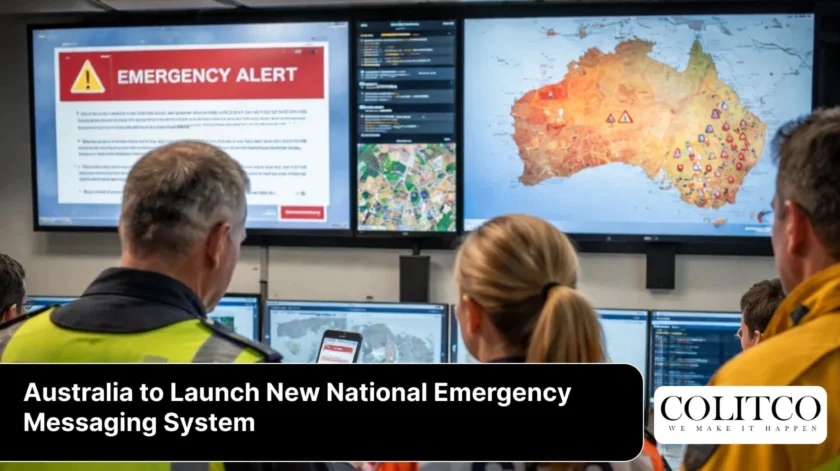
The Federal Government will launch a national emergency warning system called AusAlert this year. This technology delivers messages to mobile phones during disasters and public safety threats.
Officials plan to finish the rollout by October 2026. This date precedes the high-risk weather season in Australia.
The system uses cell broadcast technology to reach citizens. This method differs from the current text message system.
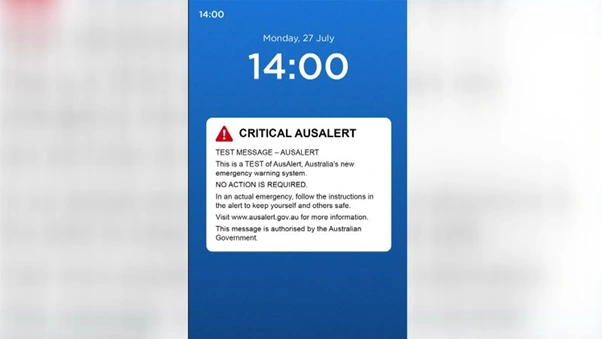
The new SMS system is set to roll out this year
Advanced Cell Broadcast Technology and Precision
AusAlert bypasses traditional mobile networks to avoid congestion. Messages travel directly from radio towers to compatible mobile devices.
The system targets specific areas with high accuracy. Warnings reach people within a 160-metre radius of a hazard.
This precision allows authorities to warn a single street or building. The technology operates even when networks experience heavy traffic.
- The system reaches phones within seconds.
- Devices receive alerts without an active SIM card.
- Authorities send messages to defined geographic zones.
Alerts appear on screens even when phones are in silent mode. The system triggers a loud warning sound and vibration.
Users cannot dismiss these notifications easily. This feature ensures people see critical information during emergencies.
The technology follows international best practice for public safety. More than 35 countries currently use similar broadcast systems.
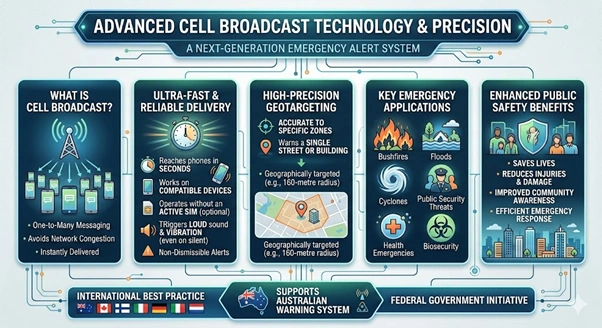
Advanced cell broadcast technology
Implementation Schedule and National Testing
The National Emergency Management Agency manages the project. The total investment for this system reached $132 million.
Phased testing will begin in June 2026 across various regions. These trials involve urban, regional, and remote communities.
Specific trial sites include Liverpool, Geelong, and Port Douglas. Testing also occurs in Launceston and Tennant Creek.
- June 2026: Community trials commence.
- 27 July 2026: National test occurs at 2 pm AEST.
- October 2026: Full operational launch takes place.
Every compatible phone in Australia will receive a test alert in July. This test validates the capability of the national network.
Minister for Emergency Management Kristy McBain announced the details in Canberra. She highlighted the reliability of the new technology.
“Cell broadcast works when mobile networks are overwhelmed with traffic,” the minister said. She stated the system offers more accuracy than previous methods.
Regulatory Background and Future Operations
The project responds to the 2020 Royal Commission into National Natural Disaster Arrangements. This inquiry followed the Black Summer bushfires of 2019 and 2020.
The commission recommended upgrades to national emergency communication tools. It identified the need for faster and more reliable warnings.
AusAlert supports the Australian Warning System for consistency. This framework uses standard icons and levels for different hazards.
- The system covers bushfires and floods.
- It issues alerts for cyclones and heatwaves.
- Health emergencies and biosecurity risks also trigger warnings.
State and territory emergency services will issue most alerts. Some Australian Government agencies also gain access to the system.
Data privacy remains a core component of the design. The system does not collect phone numbers or location data.
Authorities use two distinct types of warning levels. Critical alerts focus on immediate threats to life and property.
National Coordination and System Transition
Priority alerts provide information about less urgent situations. Users can opt out of these secondary notifications.
NEMA Coordinator-General Brendan Moon joined the announcement. He explained the importance of informed communities.
“AusAlert will deliver on that urgent, vital need of our community for information surrounding those threats and those hazards that they will face,” he said. He confirmed the system geolocates alerts to small areas.
NEMA Coordinator-General Brendan Moon
The current SMS-based system will continue for a short period. This overlap ensures safety during the transition phase.
The government plans to decommission the old system by July 2027. This timeline allows for full integration of the new technology.
- The system operates across state and territory borders.
- Messages initially appear in the English language only.
- Future updates will include multilingual support features.
Landline phones will eventually receive automated voice messages, too. This expansion broadens the reach of the emergency network.
The system will also send alerts to people entering a hazard zone. This ensures latecomers receive the same vital instructions.
Strategic Infrastructure and Disaster Resilience
The Department of Infrastructure and Communications co-delivers the project. They work alongside state and territory government agencies.
The 2022-23 and 2023-24 Federal Budgets provided the initial funding. These funds supported the construction and software development phases.
The system aligns with the Australian Government Crisis Management Framework. It strengthens the national leadership role in emergency management.
- Digital alerts include links to official websites.
- Messages describe the specific type of emergency.
- The text provides clear actions for citizens.
Officials designed the system to withstand extreme conditions. This resilience protects the communication link during major disasters.
The government will launch an awareness campaign before the national test. This initiative informs the public about the new sounds and sights.
Citizens do not need to register for the service. Every compatible device automatically gains the ability to receive broadcasts.
Emergency Response and Public Safety
The system serves as a primary tool for police incidents. This includes public safety threats and security situations.
Authorities can send alerts for animal or plant disease outbreaks. These biosecurity warnings protect the agricultural sector and the environment.
The technology does not rely on the Triple Zero service. It operates as an independent channel for mass communication.
- Alerts work regardless of Bluetooth or headphone connections.
- The system functions without internet or data plans.
- Signal towers broadcast the message to every nearby device.
This method reduces the burden on individual telecommunication providers. It ensures the delivery of messages during peak usage times.
Also Read: Netflix Walks Away from Warner Bros, and Hollywood Will Never Look the Same
The government continues to monitor international developments in safety tech. They aim to keep the Australian system at the leading edge.
Recent flooding in central Australia highlighted the need for this tool. Authorities could have used it to warn residents about rising waters.
Future developments will focus on accessibility for all users. This includes people with hearing difficulties or cognitive disabilities.
The October launch prepares the nation for the summer season. It addresses the growing challenges of natural disasters in Australia.
The system offers a scalable capability for the entire continent. It reflects the collaborative approach of various government tiers.
Australians can expect the first community trials this June. These events will show how the system works in real-world settings.