

Gold is one of the most traded commodities in the world, and traders often prefer to keep at least a portion of their investment or trading portfolio allocated to gold. As of 3:47 pm AEDT on 17 February 2026, gold was trading at USD 4,951.70 per ounce. Despite a price decline of nearly 1.5% over the past week, gold hasn’t lost its reliability. Over the past year, gold prices have increased by approximately 70%. This indicates that gold is still on an upward trend overall, despite some short-term weakness at the start of the year.
Gold has traditionally acted as a safe-haven asset, particularly during periods of inflation, geopolitical tensions, and economic uncertainty. However, in 2026, gold has shown significant volatility, with steep price swings fuelled by global events and central bank policies.
This brings us to an important question: Is trading gold risk-free anymore? The answer is no; no form of trading is completely risk-free. However, with the right approach, you can manage that risk effectively enough to protect not just your capital but also your confidence as a trader. Also, as gold’s daily trading volume surpasses $183 billion, experts outline the essential safeguards every trader needs to protect their capital.
So, how do you manage your risk while trading gold? This article will cover five must-know principles, or, you could say, a checklist, that traders should always keep in mind when trading gold.
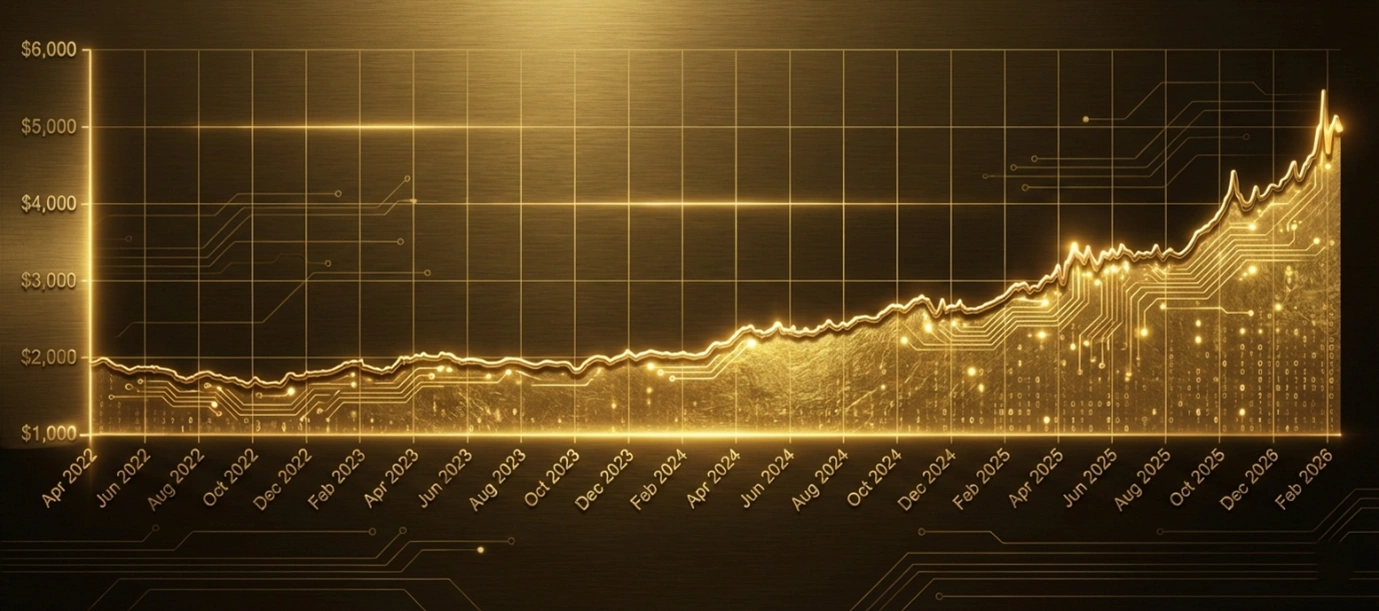
Figure 1: Meteoric rise of the price of Gold in the last 3 years.
1. Apply the One-Percent Rule — and Mean It
One of the most universally recommended principles in gold trading is the 1% rule: never risk more than one per cent of your trading capital on a single trade. Sounds simple, but most traders ignore it, especially beginners chasing losses.
For example, with a US$10,000 account, a trader risking 1% would cap potential loss at US$100 per trade. Position sizing must align with stop-loss distance to maintain that threshold.
2. Use Stop-Loss Orders — Every Single Time
Experienced traders are unanimous on this point: stop-loss orders are non-negotiable. Setting a stop-loss immediately after entering a trade shields you from unexpected market swings and caps your downside before emotions can take over.
Trailing stop orders offer an added layer of protection, automatically closing your position when the market dips a defined percentage below the current price. The key is calibrating your stop-loss to match your risk-reward ratio; ideally, many professionals recommend a 1:3 ratio, meaning you only take a trade when the potential gain is three times the amount you stand to lose.
3. Control Your Open Positions
Opening multiple simultaneous positions is a common and costly mistake. When the market reverses, and it will, traders holding several open positions can face account drawdowns that wipe out weeks of gains in a single session.
The discipline here is straightforward: open one trade per prediction. Only consider adding a new position when a genuinely new trading setup emerges, or when your initial trade has already moved to a risk-free level by shifting the stop-loss to the entry point. Managing fewer positions also means managing fewer emotions, which is itself a form of risk management.
4. Know When Not to Trade
Knowing when to stay out of the market is just as important as knowing when to enter. Two situations demand particular caution. First, avoid trading gold during US public holidays. When American banks are closed, liquidity drops sharply, spreads widen, and the risk of erratic price manipulation increases significantly. Second, steer clear of major US economic announcements, particularly Federal Reserve interest rate decisions and FOMC statements, for at least one hour before and after release. These events can trigger violent, unpredictable price swings that no strategy can reliably anticipate.
Monitoring the spread is equally important. During London and New York trading sessions, gold typically carries its lowest spreads. During Asian sessions, however, spreads can widen dramatically, eating into profit margins before a trade even moves in your favour.
Also Read: Is Now a Good Time to Buy Gold & Silver? Forecasts vs Reality for 2026
5. Understand the Factors Driving Gold Prices
Effective risk management starts before you ever open a position. Gold prices are shaped by a complex web of forces: central bank monetary policy, the balance of global supply and demand, inflation expectations, geopolitical tensions, and even seasonal patterns. Historically, gold prices tend to rise in the latter half of the year, with strength often beginning in May and extending into January.
Gold also has a notable positive correlation with the Japanese Yen, as both assets serve as safe-haven alternatives to the US dollar. Ignoring these fundamentals doesn’t make them go away; it simply means you’re trading blind.
The Bigger Picture
January 2026 has put a sharp reminder of just how volatile gold can be, with prices surging past $5,595 per ounce before plunging nearly nine per cent in a single session following the nomination of a new Federal Reserve chair. Yet analysts remain broadly bullish, with central banks continuing to purchase gold in historically high volumes and total global demand exceeding 5,000 tonnes in 2025 for the first time on record.
The opportunity in gold is real. But so is the risk. Traders who respect these five principles don’t just protect their capital; they protect their confidence, and in trading, that may be the most valuable asset of all.